
Sold as:

from £10.95

Sold as:
from £19.99
 5 Star Service Rating




 Secure, One-Tap Checkout
 5 Star Feefo Rating
 Hand Picked, Delivered to Your Door!1 Year Bareroot Guarantee
 Platinum Trusted Service Award 2026
 Mail Order Plant Experts - Est. 1949
 1 Year Bulb Guarantee
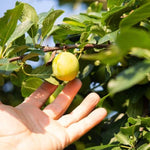

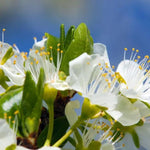
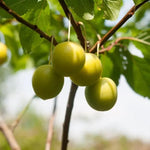




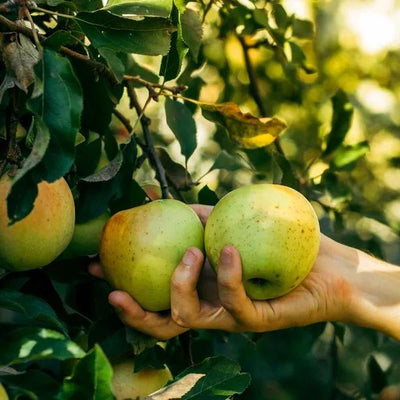
Old Greengage is a classic dessert Gage: round, yellow-green, juicy fruit in August with a very good, old-fashioned flavour. It is partly self-fertile and flowers in group E, so it crops better with a partner, and it wants a warm, sunny, sheltered place.
Old Greengage isn't a heavy cropper in most parts of Britain, but it's probably one of the best eating plums around (gages are really just a type of plum). If you are looking to add a real delicacy to your fruit collection, we think that this tree is a must have. Think quality rather than quantity. And crop size will improve if you have a reliable pollinator such as Oullins Golden Gage around. The Cambridge Gage tree is very similar to the Old Greengage, but it's a more reliable cropper.
Browse our range of plums & gages or all of our fruit trees.
We recommend this tree for gardens South of Liverpool. It'll grow happily further North, but the crops may be small unless it's in a warm spot or the summer is good.
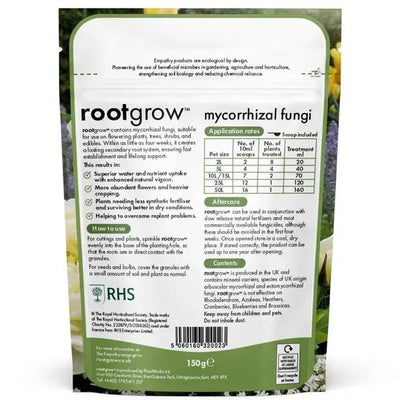
Rich soil is important: dig in plenty of good manure and compost before planting. Use Rootgrow and ensure that the planting site is well drained. as with most plums, the more sun your trees get the better your crops will be.
Pests: A Greengage tree is a magnet for birds and wasps. It's easy to keep the birds off, you just need to net the trees. The worst wasp attacks can be avoided by picking the fruit as soon as they're ripe, but if you need full protection the best thing to do is to use old pairs of nylon tights or stockings to gently cover the bunches of gages. It usually helps if you give them a good stretching first. Use soft garden string to close the ends of the tights around the branch and your crop will be safe.
Pollination Partners for Old Greengage:
Your trees must be pollinated to make fruit. Your trees are in pollination group E, which means that they'll cross pollinate with trees in groups D, E and F of our plum tree pollination table.
Details about delivery sizes: Guide to Fruit Tree Sizing.
Greengages are a sub-group of plums. The trees were spread from Armenia in medieval times and were brought to France in the early 1500's. The first record of them in Britain is from 1629, when they were brought from Italy and known as Verdocchia. Sir William Gage imported more of them sometime around the 1720's and they came to named after him. The Old Greengage was chosen as the best of all the various similar gage trees that date from this period.
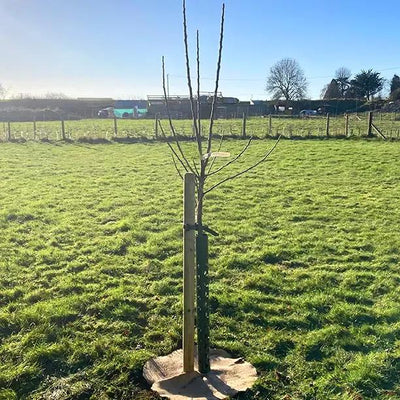
Please note that all our Old Greengage trees are on St Julien A rootstocks unless otherwise described.
The partner we name for Old Greengage is Marjorie's Seedling, which is self-fertile and flowers in the same group, E. Oullins Golden Gage, in group D, overlaps with it and is a good Gage in its own right. Our pollination partner tool will check any pair for you. Dust bareroot roots with Rootgrow as you plant.
Ashridge has sold trees since 1949 and is a Which? Best Plant Supplier 2025. Your Old Greengage is grafted onto St Julien A rootstock, and maidens are pre-pruned before despatch for the form you choose. Bareroot trees are lifted to order while dormant and guaranteed for 12 months.
It is partly self-fertile, so a lone tree will set some fruit, and it crops better with a partner. It flowers in group E. We name Marjorie's Seedling, which is self-fertile and in the same group.
On St Julien A rootstock, you can keep it at 3 to 4 metres with pruning. Left alone, it reaches 4.5 to 5 metres. Allow about 5 metres between trees.
In August. Pick them as they ripen, which also keeps the worst of the wasps away.
In full sun, in a sheltered spot, on well-drained soil. It prefers a loamy, slightly acid soil, and the blossom can be caught by spring frost.
In summer, never in winter. Plums and Gages can take in silver leaf disease through winter cuts.
They are very alike. Cambridge Gage is the more reliable cropper of the two.
Bareroot only, from November to April, while the trees are dormant. You can order at any time of year and your tree is lifted and sent once the season opens.







 Sign In
 Saved items