



Sold as:

from £10.95

Sold as:
from £19.99
 5 Star Service Rating




 Secure, One-Tap Checkout
 5 Star Feefo Rating
 Hand Picked, Delivered to Your Door!1 Year Bareroot Guarantee
 Platinum Trusted Service Award 2026
 Mail Order Plant Experts - Est. 1949
 1 Year Bulb Guarantee



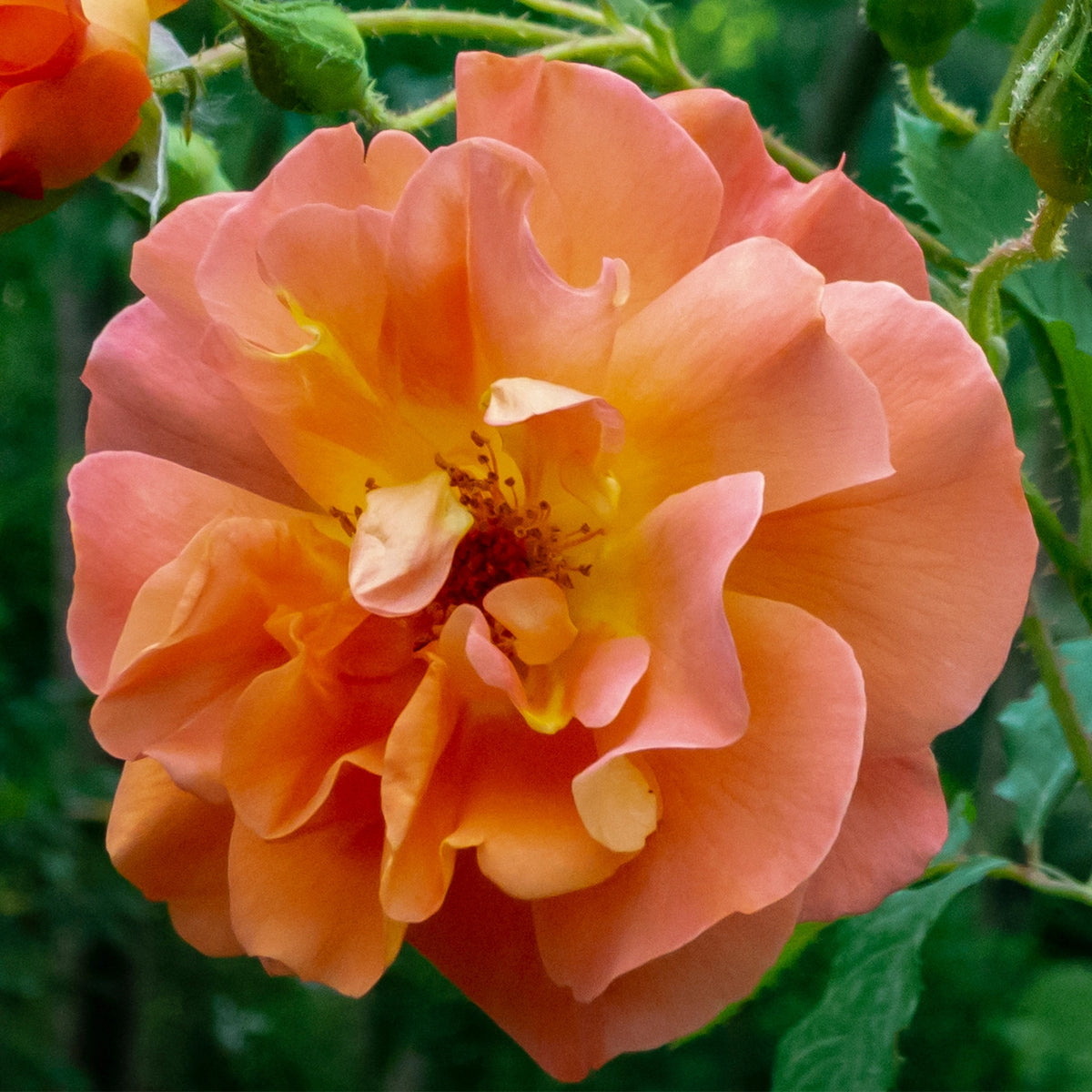
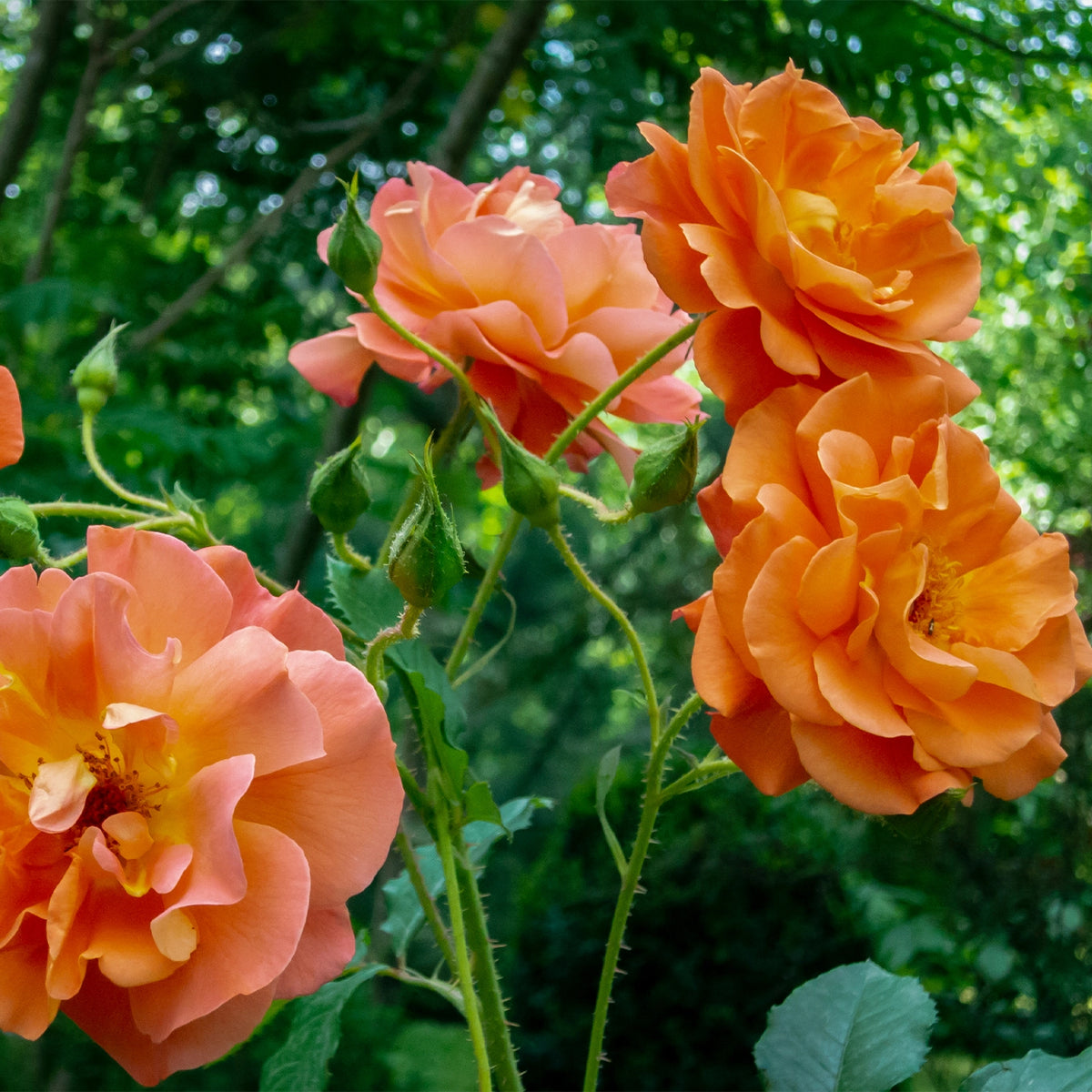




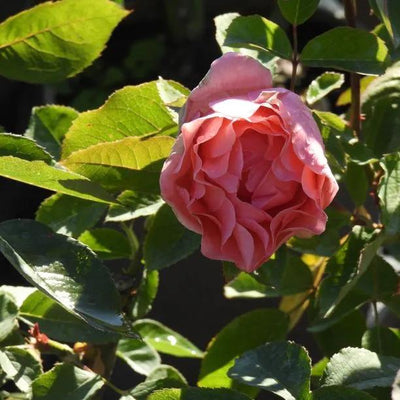
Westerland is a strongly scented climbing rose from Kordes with apricot-orange, semi-double flowers, repeating from June to October. Trained on a wall or fence it reaches around 250cm (8ft) with a spread of 100-150cm (3-5ft), and it holds the RHS Award of Garden Merit.
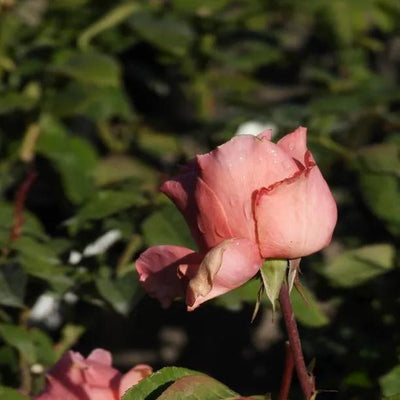
The colour is the first thing you notice and it never sits still. Each ruffled, semi-double flower opens a deep apricot-orange with yellow on the back of every petal, so a full cluster shimmers between the two shades, then softens as it ages. A plant in flush carries the whole range at once, from copper buds to pale apricot older blooms, all against young foliage that emerges flushed bronze. The scent keeps up with the show: strong, warm and spicy, with a sweetness behind it that carries on the air rather than waiting to be sniffed.
It flowers in flushes from June to October with barely a pause between them, and it gets on with life. Growth is quick and healthy, it establishes fast, and it is hardy everywhere in the UK, Scotland included. Kordes raised it in 1969 and it was awarded the AGM in 1993; very few roses stay in commerce for over fifty years, and the ones that do are there because they earn it.
The RHS actually classes Westerland as a shrub rose, and that is the clue to how useful it is. Tie the long stems onto wires and it makes a short climber to around 250cm, ideal for a fence panel, a pillar or a low wall where a full-sized climber would romp past the top. Leave it alone and it stands on its own feet as a big, arching shrub of around 150cm for the back of a border. Prune to suit the job: trained plants have one or two of the oldest stems removed at the base each February with the new growth tied in, while a freestanding shrub just needs a light thin.
Warm apricot loves violet and blue beside it. Grow Etoile Violette clematis through it for deep purple flowers among the roses from July, or browse our clematis collection for other partners that take the same hard February prune. At its feet, Hidcote lavender hides bare lower stems and Purple Sensation alliums push their violet globes up through the early foliage in May. For a second rose on the same fence, Compassion flowers to the same rhythm in salmon-pink.
Our roses are grown for us by specialist rose growers and arrive as strong plants in 4 litre pots, ready to go straight in the ground at any time of year. Everything we sell is grown peat-free and without neonicotinoids, so the bees working your roses stay safe. We were named Which? Gardening Best Plant Supplier, and every plant is covered by our guarantee. If your Westerland fails, we replace it.
Late February to early March. Westerland is repeat-flowering, so remove one or two of the oldest stems at the base and tie in the new growth. Our climbing rose guide has step-by-step instructions.
Westerland has a strong, warm, spicy fragrance with a fruity sweetness behind it, strongest in the morning and on warm afternoons. It is powerful enough to catch as you walk past, and a cut stem scents a room.
Yes. The RHS classes Westerland as a shrub rose, and left untrained it makes a big, arching shrub of around 150cm. Give it space at the back of a border and thin it lightly in late February instead of a hard prune.
Westerland is apricot-orange with yellow on the petal reverse, in loose, ruffled clusters, and doubles as a freestanding shrub. Compassion is salmon-pink shading to apricot with classic, pointed blooms, the more formal of the two. Both are strongly scented, repeat-flower from June, and hold the AGM.
Any time of year, as long as the soil is not frozen. A potted rose planted in summer just needs regular watering through its first season. Our rose planting guide covers the method.


 Sign In
 Saved items