What is a bareroot plant?
Stripped of their pots and lifted fresh from the field during dormancy — roughly November through to March — bareroot plants arrive at your door with their roots intact, lightly wrapped to keep things cosy in transit, and raring to get into the ground. No root-bound spirals, no shock from being tipped out of a container. Just the plant, honest and ready.
Browse our bareroot collection
Bareroot Trees
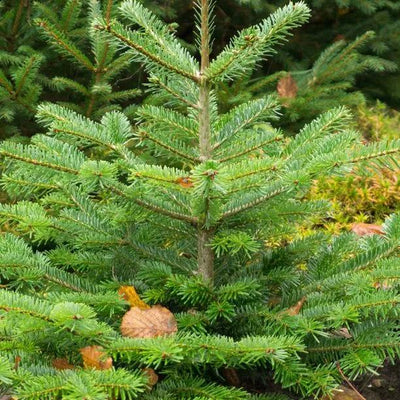
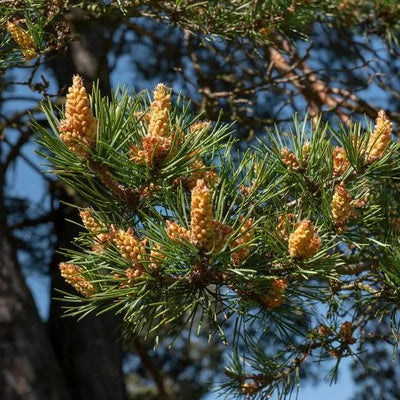
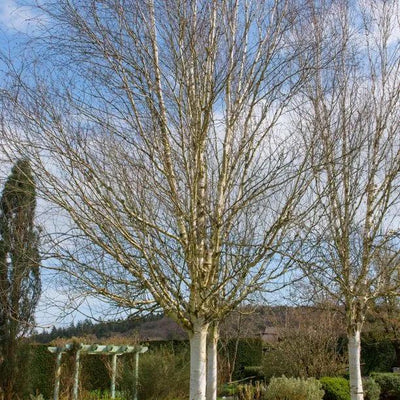
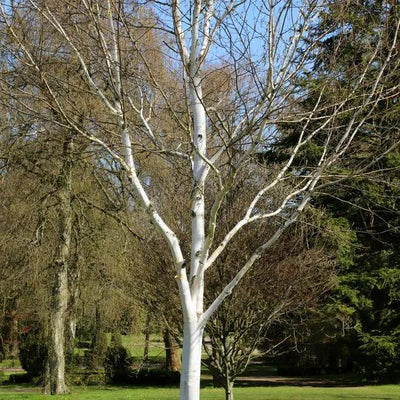
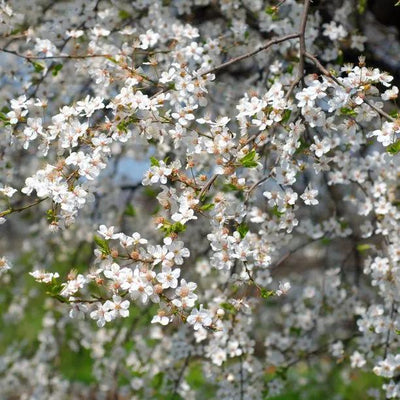
From native field maples and silver birches to stately oaks that your grandchildren will climb, our bareroot trees are field-grown for at least two to three seasons before they leave us. That means genuine root systems, genuine resilience, and a head start that a pot-grown equivalent simply can't match.
Whether you're establishing a new woodland, planting a specimen tree for the lawn, or filling in a neglected hedgerow, bareroot trees planted between November and March will settle in quietly while the ground is cold, then surge away in spring as if they'd always been there.
Popular bareroot trees include: oak, beech, birch, maple, hawthorn, hornbeam, alder, rowan, ornamental cherry and crab apple.
It's also, frankly, better value. Without the pot, the compost, and the months of container-growing, you get more plant for your money. A bareroot hedging whip that would cost £8 in a pot often costs £2 or £3 as bareroot. Do the maths on a 50-metre hedge and the savings are genuinely exciting.
Bareroot Hedging
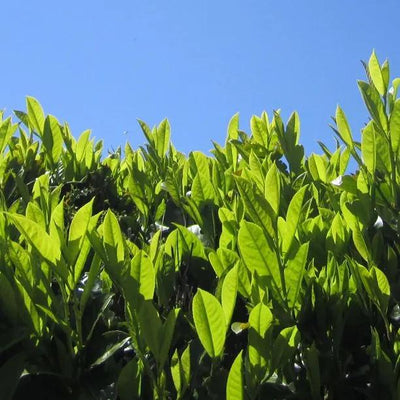
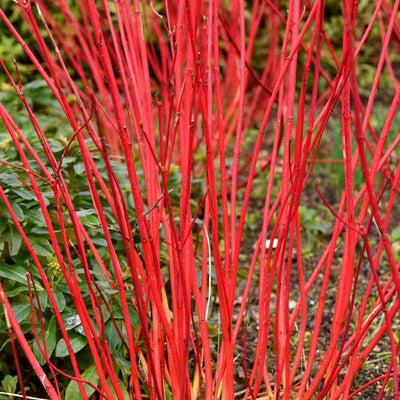
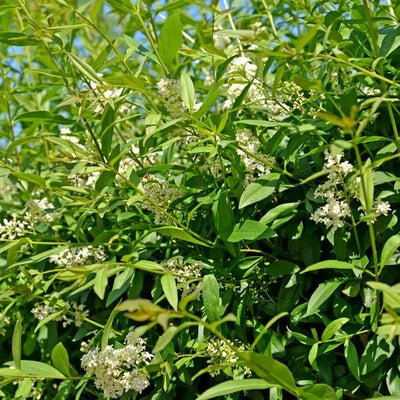
A bareroot hedge is one of gardening's great pleasures — and one of its great bargains. Our hedging plants are sold as whips (young, unbranched specimens perfect for planting in a row). They'll establish far faster than container-grown plants and knit together into a proper, dense hedge within two or three seasons.
We offer everything from the quintessentially British — hawthorn, blackthorn, hazel, field maple, beech, hornbeam — to the more decorative: copper beech, dog rose, spindle, and guelder rose. And for a mixed native hedge that the wildlife will absolutely lose their minds over, our pre-mixed hedge packs take the guesswork out entirely.
Why choose bareroot hedging? It's cheaper, it establishes faster, and the environmental credentials are impeccable. No plastic pots, no peat compost, and a carbon footprint that's a fraction of containerised alternatives.
Bareroot Roses
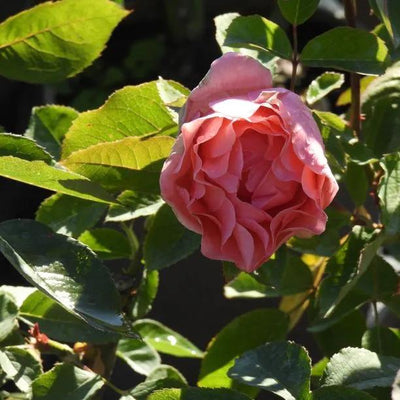
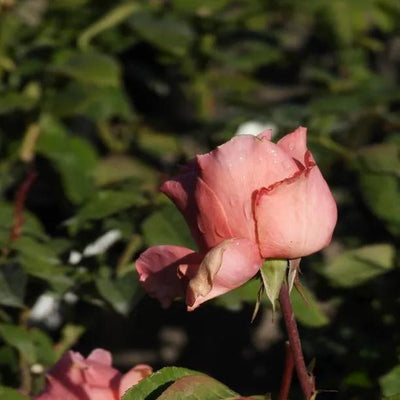
There's something wonderfully old-fashioned about planting a bareroot rose. Unpack it in November, soak the roots for an hour, dig a decent hole, and in it goes. Come June, you'll have flowers. Simple as that — and far more satisfying than any pot-grown alternative.
Our bareroot roses are grown on their own roots or grafted onto vigorous rootstocks, and they include climbing roses, rambling roses, hybrid teas, floribundas, classic shrub roses, and our popular patio roses. Many are varieties you'll struggle to find on the high street: old-fashioned types with extraordinary fragrance, award-winning modern varieties bred for disease resistance, and a handful of rarities that we grow simply because we love them.
Plant bareroot roses any time from November to March, in a sunny spot with decent soil, and they will reward you extravagantly. Guaranteed.
Bareroot Soft Fruit
Raspberries, blackcurrants, redcurrants, gooseberries, blackberries, jostaberries — bareroot soft fruit plants are the most economical way to establish a productive fruit garden, and the plants establish so readily that even a first-time grower will have crops by their second summer.
Our soft fruit canes and bushes are selected for flavour as much as cropping weight. Yes, yields matter. But a raspberry that actually tastes of something matters more. We grow tried-and-trusted varieties alongside some newer introductions, and we're always happy to advise on the right choice for your soil, your space, and your jam-making ambitions.
Plant from November through to February for the best results — and do give them a generous mulch once they're in. They'll thank you for it.
Bareroot Fruit Trees
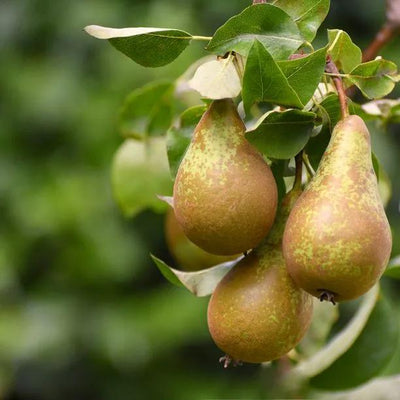
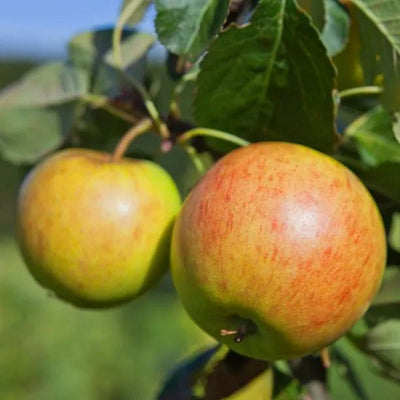
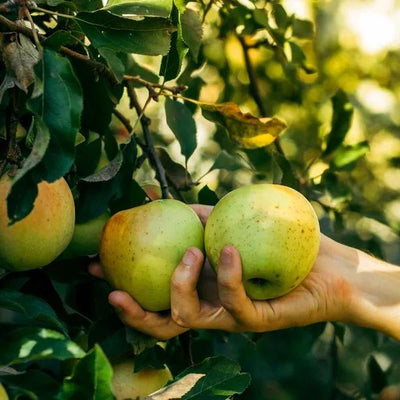
An apple tree planted this winter could be feeding your family for the next hundred years. That's not sentimentality; it's just the remarkable longevity of a well-planted fruit tree. Our bareroot fruit trees include apples, pears, plums, gages, damsons, cherries, quinces, and medlars — all available on a range of rootstocks to suit everything from a container on a balcony to a full-sized orchard.
We take rootstocks seriously. The wrong rootstock on the wrong soil in the wrong situation is a recipe for disappointment; the right one, and your tree will establish quickly, crop reliably, and need minimal intervention. We're always happy to talk you through the options — just get in touch.
Our fruit trees are available as maidens (first-year trees, excellent for training), bushes (branched tree with a short trunk), and half-standards for more traditional orchard planting.
When to plant bareroot plants
Bareroot plants are lifted and despatched from November through to late March, when the plants are dormant and the ground is (usually) workable. This is the planting window — and the beauty of bareroot is that as long as the soil isn't frozen solid or waterlogged, you can plant almost any time within it.
If your plants arrive and conditions aren't right, no panic. Heel them into a spare bit of ground, or store the roots in damp hessian or newspaper in a cool, frost-free shed. They'll wait happily for a fortnight or two.
How to plant bareroot plants
- Soak the roots for an hour or two before planting — never skip this step.
- Dig the hole wide enough to spread the roots without cramping, and only deep enough to plant to the same level as the nursery mark on the stem (a darker stain where soil met stem).
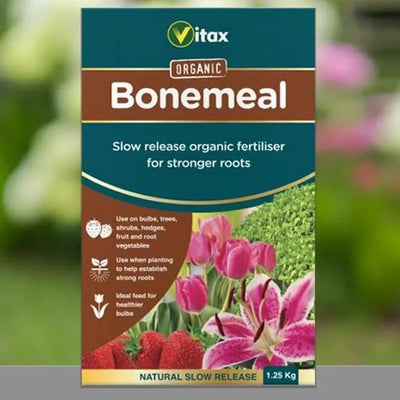
- Backfill with good soil, firming gently to remove air pockets. Bareroot trees and hedging appreciate a handful of bone meal worked into the soil.
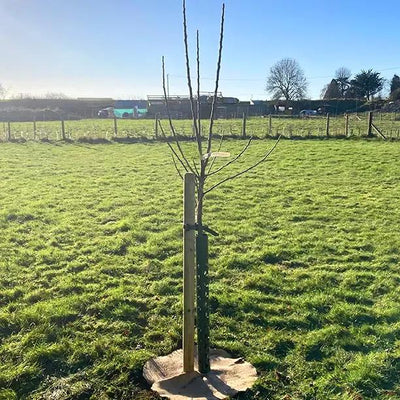
- Stake trees with a short stake and a proper rubber tie — low staking encourages the stem to flex and build strength, which is exactly what you want.
- Water in well even in winter, and mulch with a 5–8cm layer of bark or compost, keeping the mulch away from the stem itself.
- Be patient — bareroot plants do most of their establishment work underground in the first few weeks. Growth above ground may be modest at first. Then, in spring, they go.
Why buy bareroot from Ashridge?
We've been growing and despatching bareroot plants from our Somerset nursery since 1949, and we've learned a thing or two along the way. Our specialist growers grow the bulk of what we sell — which means we know exactly what condition it's in when it leaves us. We grade ruthlessly (the plants that don't meet our standard don't go out), we pack carefully (roots wrapped and moisture-retentive), and we send everything by 24-hour courier direct from the nursery.
Every bareroot plant comes with a one-year guarantee. If it fails to establish through no fault of your own — if it arrives in poor condition, or if it simply doesn't grow despite following our planting guidelines — we'll replace it or refund it (as long as you're subscribed to our planting advice).
Questions? Our team of growers and planters are genuinely knowledgeable and genuinely helpful. Drop us an email, give us a ring, or use the chat — we're here.
Frequently asked questions
Can I plant bareroot plants in spring?
Yes, if the ground is workable and the plants haven't broken dormancy. Once leaves are emerging, bareroot planting becomes riskier — at that point, containerised plants are a better bet. But through March and into early April for woody plants, bareroot is still usually fine. And with our seasons shifting as they are, a cold spring can extend that window further still — if it still feels like winter, it's generally safe to plant.
What's the difference between a whip and a standard?
A whip is a young, single-stemmed hedging plant, typically 60–90cm tall — ideal for establishing a new hedge from scratch. A standard is a mature tree with a clear stem, grown for ornamental planting. Standards cost more but give you a more immediate effect.
Do bareroot plants establish as well as pot-grown plants?
Better, in most cases. A bareroot tree or shrub planted correctly in winter will typically outperform a pot-grown equivalent by its third year. The root system is naturally developed rather than container-adapted, and the plant establishes on its own terms rather than adapting to a new soil environment after months in compost.
What if my bareroot delivery arrives and the ground is frozen?
Heel the plants in — dig a shallow trench in any unfrozen corner of the garden, lay the roots in it at an angle, and cover with soil. Or wrap in damp hessian or newspaper and store in a cool frost-free place. They'll wait for up to three weeks without complaint.


 Sign In
 Saved items



 5 Star Service Rating




 Secure, One-Tap Checkout
 5 Star Feefo Rating
 Hand Picked, Delivered to Your Door!
 Platinum Trusted Service Award 2026
 Mail Order Plant Experts - Est. 1949
 1 Year Bulb Guarantee