

Sold as:

from £10.95

Sold as:
from £19.99
 5 Star Service Rating




 Secure, One-Tap Checkout
 5 Star Feefo Rating
 Hand Picked, Delivered to Your Door!
 1 Year Bareroot Guarantee
 Platinum Trusted Service Award 2026
 Mail Order Plant Experts - Est. 1949
 1 Year Bulb Guarantee
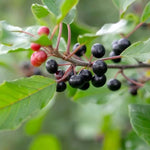
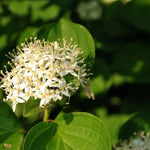
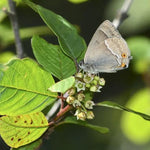





Alder Buckthorn is a thornless native shrub for a country or wildlife hedge up to about 5 metres high, quick to mature and generally free of pests and diseases. It is the main food plant of the Brimstone butterfly, its flowers are on the RHS Plants for Pollinators list, and birds eat the berries.
Alder Buckthorn is a large native shrub or small tree that is ideal for country hedging. It flowers in late spring and early summer, and the berries follow from late summer, ripening red and then darkening to almost black, which contrast well with its lovely yellow autumn foliage.
Good for hedges up to about 5 metres high. Browse all of our other varieties of Buckthorn hedge plants, our selection of native hedging, or our full range of hedging plants.
Delivery season: Alder Buckthorn hedge plants are only delivered bareroot, during late autumn and winter, approximately November-April inclusive.
It's extremely hardy and will grow on wet, boggy sites. It'll grow well in any fertile, acidic soil conditions. It tolerates partial shade or dappled shade underneath large trees. In the wild, it grows in open woods, scrubland, hedgerows and wet areas like bogs and riverbanks. Avoid growing on chalk or in very shady sites.
When grown as a specimen tree, alder buckthorn needs no routine pruning, although it'll tolerate hard pruning if necessary to maintain its shape. Prune in late winter or early spring, outside the nesting season for birds.
Plant at 3 plants per metre, 33cm apart. You can also plant at 6 plants per metre in a staggered double row, with 33cm between each plant along the row and 40cm between the rows.
Alder buckthorn is great as a small specimen tree in a wildlife border. The berries are loved by birds, especially thrushes and the flowers are excellent for bees. It can be combined with other berried shrubs like hawthorn, and underplanted with small herbaceous perennials such as cyclamen, and sweet violet.
As part of a native hedge, it can be planted alongside other native trees, shrubs and rambling plants such as blackthorn, field maple, holly, dog-rose, wayfaring tree and ivy. Using a wide variety of species creates varied habitat for wildlife and a long flowering season with pollen and nectar produced for many months of the year.
Despite its name, the alder buckthorn is neither an alder, nor does it have thorns. Recently, botanists have determined that the former Rhamnus frangula really belongs in its own genus, and it is now officially called Frangula alnus. It is also known as black dogwood, breaking buckthorn or glossy buckthorn.
It was used as a dye plant in the past with a yellow pigment made from the foliage and bark. A blue or grey dye can be made from the ripe berries and the unripe berries produce a green pigment.
Along with Purging Buckthorn, this plant is the only food source for the beautiful yellow brimstone butterfly.
Flowers & Bees: It is an excellent host for bees and butterflies, although the tiny flowers aren't really visible amongst the leaves. It isn't the most ornamental shrub, but it is excellent for wildlife.
Firewood: The charcoal made from buckthorn wood is one of the best for making gunpowder. The wood is durable and easy to sharpen, so was used historically for nails, skewers and arrows.
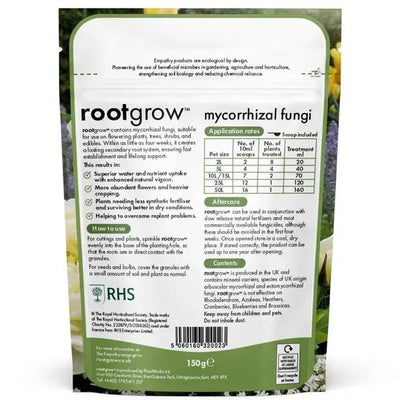
The Brimstone butterfly lays on only two British plants: this one and Purging Buckthorn, which is thorny and suits chalk, where Alder Buckthorn wants damper ground. In a native hedge, plant it with Guelder Rose, which likes the same damp soil, and with Hazel and Hawthorn as the backbone. See our guide to spacing a double row. Dust the roots with Rootgrow as you plant.
Hedging is not a sideline here: your Alder Buckthorn is grown for us as hedging by specialist growers. Bareroot plants are lifted to order while dormant and guaranteed for 12 months. Ashridge has sold plants since 1949 and is a Which? Best Plant Supplier 2025.
Purging Buckthorn is thorny, suckering and a plant of chalk. Alder Buckthorn is thornless and wants damper, more acid ground. Both feed the Brimstone butterfly.
It gives them somewhere to breed. The Brimstone can lay its eggs on only two plants in Britain, Alder Buckthorn and Purging Buckthorn.
No. It is neither an Alder nor thorny, and the branches are smooth. It is the one to plant if you want the Brimstone without the thorns.
As a hedge, up to about 5 metres. Left unpruned, it grows 4 to 8 metres tall by 2.5 to 4 metres wide, in 5 to 10 years.
In early spring, before the birds nest. It needs little pruning otherwise, and it tolerates a hard cut if it outgrows its space.
Yes. It is on the RHS Plants for Pollinators list. The small, greenish flowers open in late spring and early summer and are well worked by bees.
Bareroot only, from November to April, while the plants are dormant. You can order at any time of year and your plants are lifted and sent once the season opens.




 Sign In
 Saved items