


Sold as:

from £10.95

Sold as:
from £19.99
 5 Star Service Rating




 Secure, One-Tap Checkout
 5 Star Feefo Rating
 Hand Picked, Delivered to Your Door!1 Year Bareroot Guarantee
 Platinum Trusted Service Award 2026
 Mail Order Plant Experts - Est. 1949
 1 Year Bulb Guarantee
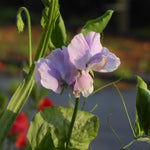
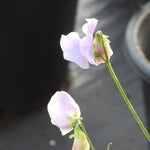
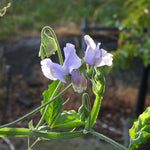

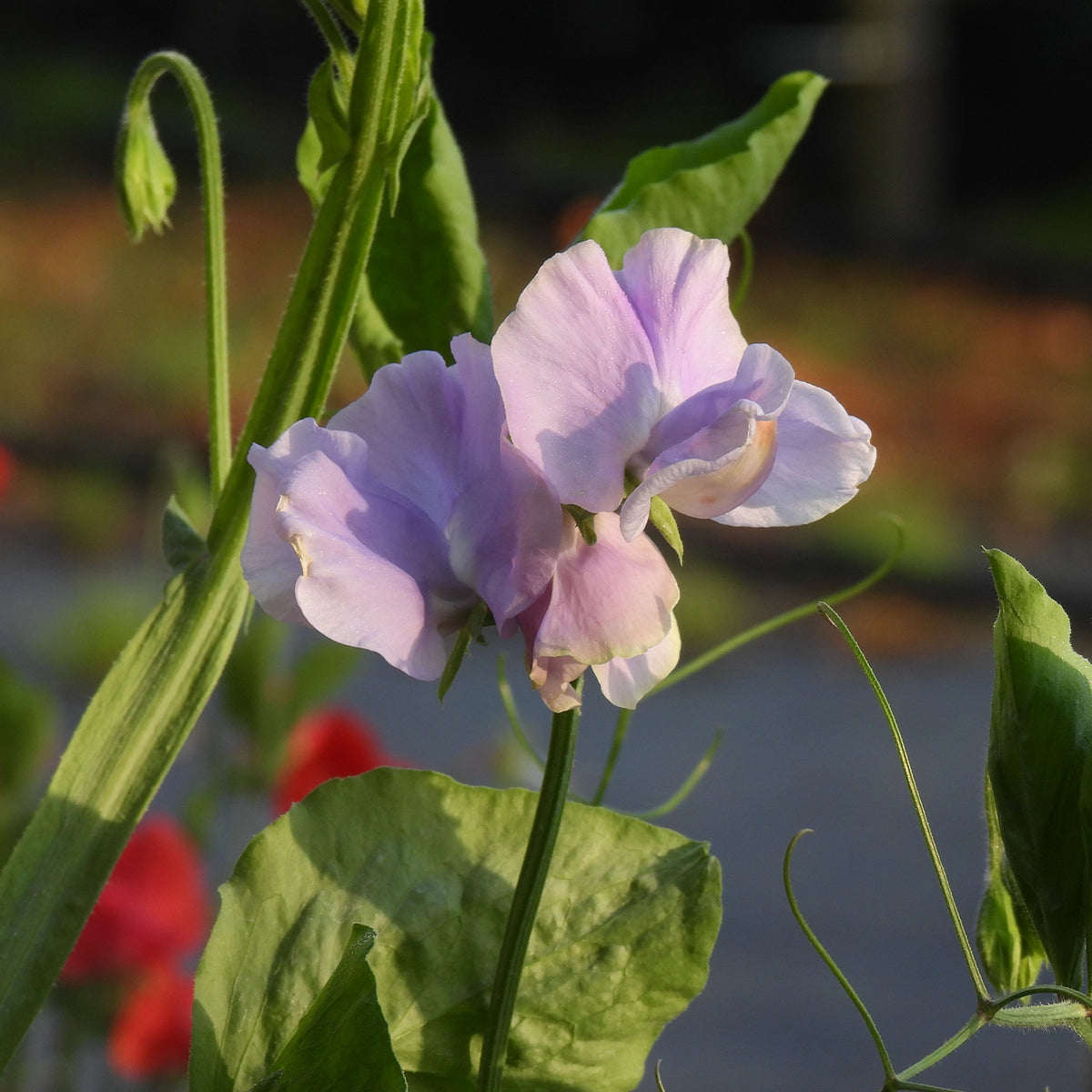
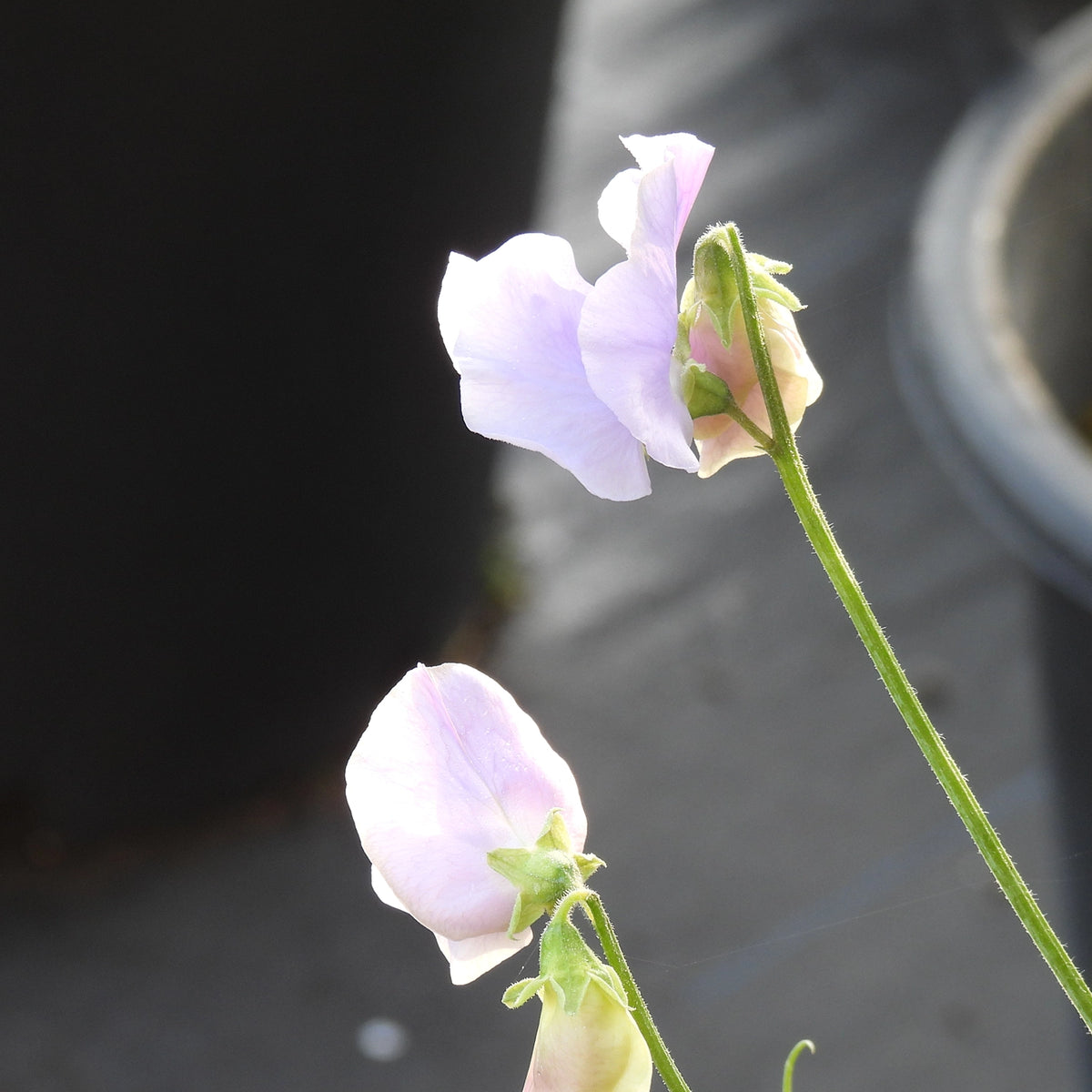


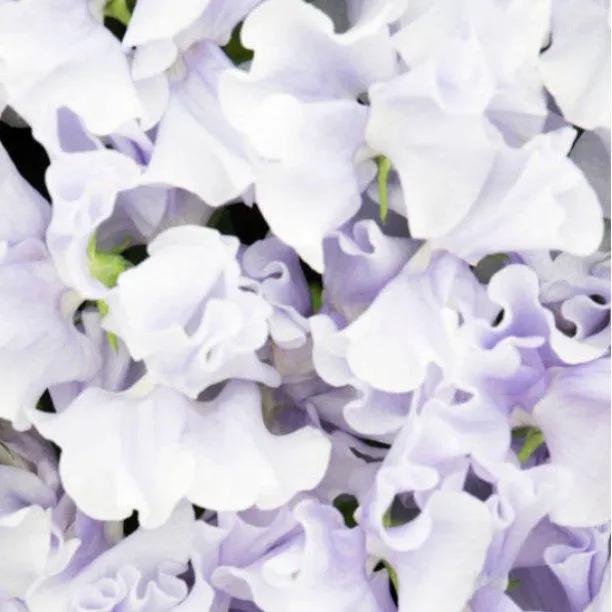




Ballerina Blue looks fragile but is not. The flowers are an opaque, pale sky-blue with large, gently waved Spencer petals that catch the breeze. They are lighter and look more delicate than Blue Velvet and "bluer" than Our Harry's lavender tones. The name suits it. There is a lightness to the blooms that heavier, more intensely coloured blues lack. But the plant itself is strong in every way that matters: it grows to 2m, produces flowers in quantity, and keeps going from late June into September with regular picking.
Unwins bred Ballerina Blue, and it has built a steady reputation as a garden performer rather than a show-bench star. The scent is a 3 on the Parsons scale, the classic fresh sweet pea fragrance, and the stems are long enough for cutting, though they are slender rather than stiff. In a vase, this gives Ballerina Blue a graceful, slightly informal character that stiffer-stemmed varieties cannot match. It is the sweet pea you arrange loosely in a wide-mouthed jug, not the one you line up in a show vase.
Pink Pearl, a pastel pink Spencer, creates the softest possible pink-and-blue combination. This is a gentle pairing but it really works, especially in containers close to passers-by. Promise, a pale lilac-pink Spencer, extends the palette further, the three together forming a combination that suits cottage gardens and romantic plantings alike.
At the base of a sweet pea support, a row of lavender – Hidcote or Munstead – creates a two-tier display of blue and purple. Both are scented and both flower their socks off all summer. The lavender provides a low, dense hedge of colour and fragrance beneath the taller sweet pea stems, and the two plants combine wonderfully.
Pale blue is one of the most useful colours in the garden. It goes with everything, clashes with nothing, and provides a cool note that prevents warm-toned plantings from becoming cloying. Ballerina Blue earns its place by being exactly that kind of blue – soft enough to blend, clear enough to register. In a mixed planting on a wigwam or obelisk, it acts as the peacemaker between bolder colours. Planted alone, it has the serene, calming quality that blue flowers are supposed to deliver and that not all of them manage.
The translucent petal quality is worth noting. Hold a flower to the light and the blue glows rather than absorbs – a different effect from the denser, deeper blue of Blue Velvet or Noel Sutton. In early morning or late afternoon light, when the sun comes through the petals at an angle, Ballerina Blue is at its most beautiful. Site your support accordingly – a west-facing position gives you the best evening display.
For planting, training, and picking guidance, see our sweet pea growing guide.
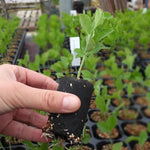
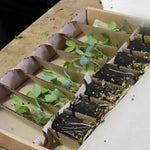
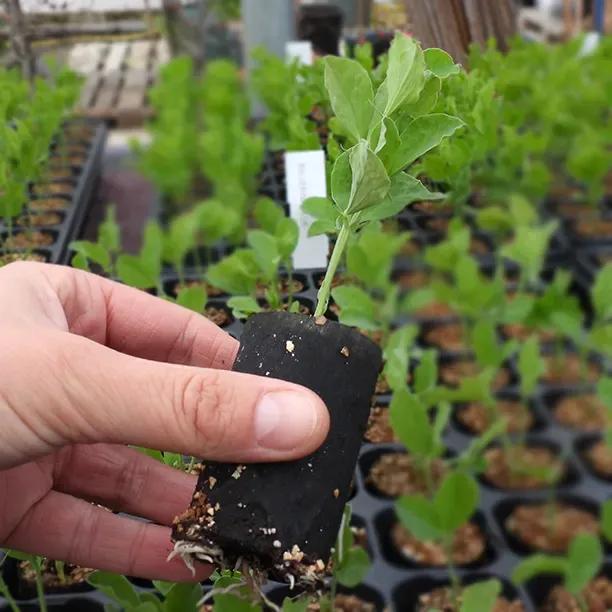
Well, mainly because they are ours. We have grown sweet peas in Somerset since the early 2000s. The seed, which we collect ourselves, is hand-sown by us at two seeds per plug. After germination, the weaker seedling is removed. Every plant is then pinched out to encourage bushy growth and hardened off before dispatch. So what you are getting are sturdy, garden-ready jumbo plug plants that have had the best possible start.
Your sweet peas are sent out by next-day courier in time to plant between March and May. They will be in purpose-designed recycled and recyclable packaging and you can plant them out as soon as they arrive. If anything is not right, we have real people on the phone in Somerset who will sort it out. We hold a Feefo Platinum Service Award and have been named a Which? Best Buy plant supplier.
A pale, clean sky-blue – lighter than Blue Velvet, more consistently blue than Our Harry's lavender tones, and clearer than Noel Sutton's deeper blue. The petals have a translucent quality that glows when backlit. It is the lightest, airiest blue in our collection.
A 3 on the Parsons scale – the light, fresh, classic sweet pea scent. Not a powerhouse, but reliably present in the garden and from a bunch indoors. If you want a blue sweet pea with more fragrance, the Grandifloras (Flora Norton, Lord Nelson) score higher, though with smaller flowers.
Ballerina Blue's long stems and large flowers make it a magnificent cut-flower variety. Even if you don't have it on display in your garden, find room for it in a cutting bed somewhere.
We do it for you. Every plant is pinched out before dispatch to encourage bushy, multi-stemmed growth from the base. If side shoots appear low down after planting, that is the pinch doing its job. You do not need to pinch again. For full growing details, see our sweet pea growing guide.
The only way it will is if you buy fresh plugs each spring. Ballerina Blue is an annual so it dies after flowering. So for fresh plants every year, our sweet pea collection offers Ballerina Blue alongside over thirty other varieties, all grown as jumbo plugs.


 Sign In
 Saved items