Sold as:

from £10.95

Sold as:
from £19.99
 5 Star Service Rating




 Secure, One-Tap Checkout
 5 Star Feefo Rating
 Hand Picked, Delivered to Your Door!
 1 Year Bareroot Guarantee
 Platinum Trusted Service Award 2026
 Mail Order Plant Experts - Est. 1949
 1 Year Bulb Guarantee
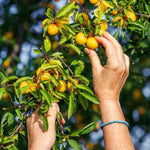
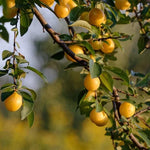


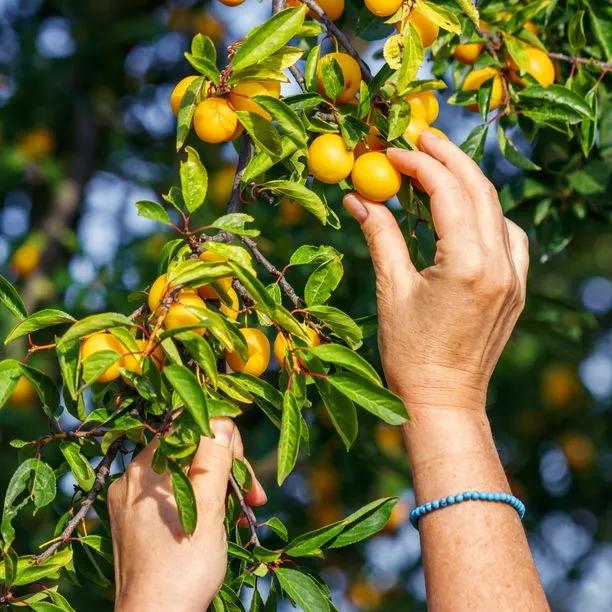
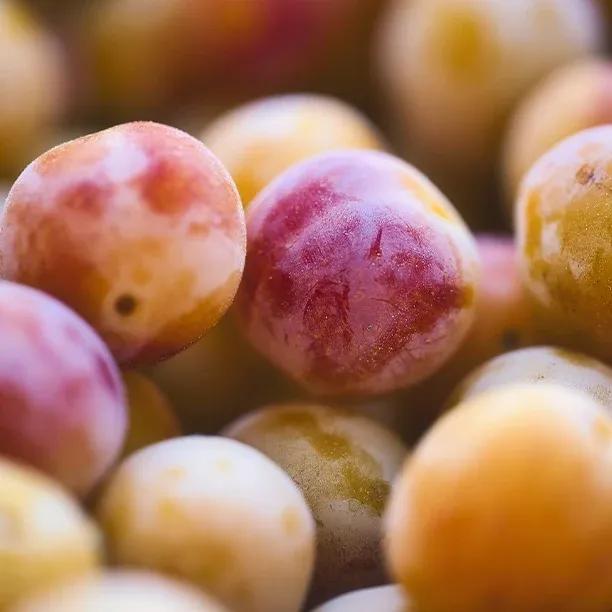
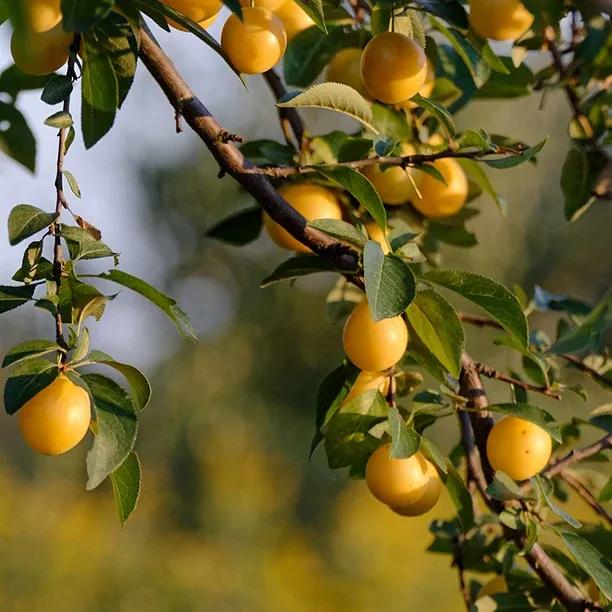




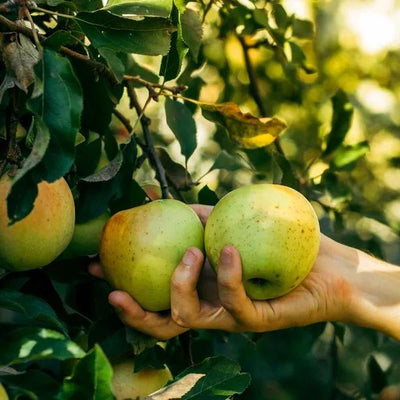
Mirabelle de Nancy carries small, round, golden-yellow fruit in late summer, freestone, rich and sweet enough to eat fresh and sharp enough for a French tart or jam. It is cold hardy and partly self-fertile, and it is on the RHS Plants for Pollinators list.
Mirabelle de Nancy is a truly dual-purpose tree: the fruit is tangy-sweet when eaten fresh and tart enough to cook really well in a pie or classic French tarte. It also makes a superb jam. The fruit are quite small and the stone in the centre is very loosely attached, which is handy when you are preparing lots of them for cooking. They'll conveniently develop a bit of a pink blush on their golden skin when they're ripe.
Browse our range of plum & mirabelle trees or the full variety of fruit trees.
Rich soil is important: dig in plenty of good manure and compost before planting.
Soil drainage must be good.
The more sun your trees get the better your crops will be.
Mirabelle de Nancy Rootstocks:
Please note that all our Mirabelle de Nancy trees are on St Julien A rootstocks unless otherwise described.
Pollination Partners for Mirabelle de Nancy:
Your trees must be pollinated to make fruit. Your trees are in pollination group E, which means that they'll cross pollinate with trees in groups D and E of our plum tree pollination table.
Details about delivery sizes: Guide to Fruit Tree Sizing.
This is an ancient variety that probably came to France from the Eastern Mediterranean in the 1400's. The name Mirabelle de Nancy was first recorded in the 1700's, by which time the tree widely cultivated in the region formerly known as Lorraine, which today is part of Grand Est.
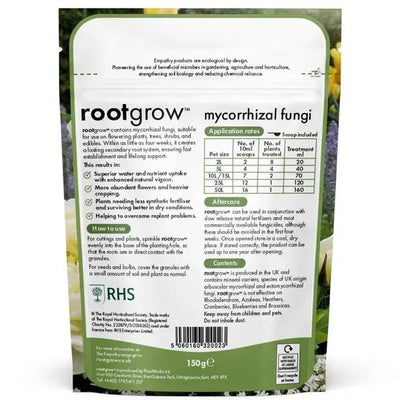
Mirabelle de Nancy sets a crop alone and a better one with a partner from group D or E. The partner our fruit reference names is Marjorie's Seedling, a late cooking and eating Plum in group E. Among the Gages, Old Greengage is in group E and Cambridge Gage in group D. Our Plum pruning guide covers the summer cut. Dust bareroot roots with Rootgrow as you plant.
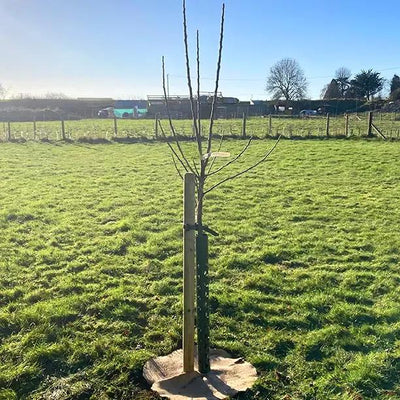
Ashridge has sold trees since 1949 and is a Which? Best Plant Supplier 2025. Your Mirabelle de Nancy is grafted onto St Julien A rootstock, and maidens are pre-pruned before despatch for the form you choose. Bareroot trees are lifted to order while dormant and guaranteed for 12 months.
Not strictly. It is partially self-fertile to self-fertile, so one tree sets fruit alone. It flowers in group E and crops better with a group D or E Plum or Gage nearby.
A small, round, golden Plum, grown for centuries in Lorraine in eastern France. The flesh comes cleanly away from the stone, which makes preparing a big batch quick.
Tarts, pies and jam first of all. The fruit is very good for cooking and pleasant to eat fresh, with rich, sweet flesh.
On St Julien A rootstock, you can keep it at 3 to 4 metres with pruning. Left alone, it reaches 4.5 to 5 metres. Allow about 5 metres between trees.
Any well-drained soil in a sunny, sheltered spot. It prefers a loam that is slightly acid, around pH 6 to 6.5.
In summer, never in winter, as for every Plum. Winter cuts can let in silver leaf disease.
Bareroot only, from November to April, while the trees are dormant. You can order at any time of year and your tree is lifted and sent once the season opens.







 Sign In
 Saved items