

Sold as:

from £10.95

Sold as:
from £19.99
 5 Star Service Rating




 Secure, One-Tap Checkout
 5 Star Feefo Rating
 Hand Picked, Delivered to Your Door!
 1 Year Bareroot Guarantee
 Platinum Trusted Service Award 2026
 Mail Order Plant Experts - Est. 1949
 1 Year Bulb Guarantee
Formal hedges are the ones you picture when someone says "a proper hedge" – clean lines, tight surfaces, geometric precision. They're the backbone of a well-designed garden: defining spaces, framing views, providing a calm backdrop to borders. Think the great clipped yew walls of Hidcote, or the immaculate beech hedges of a country estate. Satisfying in a deeply British sort of way.

The gold standard for formal evergreen hedging. Slow to establish but extraordinarily long-lived and beautifully dense. Clips to a razor edge. Worth the wait. Buy Yew Hedging >
Clips superbly and holds its warm russet leaves through winter. Elegant and unfussy.
Similar to beech but happier in heavier, wetter soils. Equally beautiful. Buy Hornbeam Hedging >>
The classic choice for low formal edging, parterres and topiary. Slow-growing, dense and wonderfully controllable.
Sometimes what you need is less about aesthetics and more about getting something tall and solid between you and the neighbours – and preferably before next summer. Fast-growing screens deliver privacy quickly, and the best of them manage to look perfectly decent while doing it.

(Prunus laurocerasus) Large, glossy leaves and vigorous growth. One of the fastest evergreen screens available.
(Cupressus leylandi) The famously rapid grower. Magnificent if kept clipped; a neighbour dispute waiting to happen if not. Discipline is everything.
A more refined alternative to leylandii, with attractive foliage and a pleasant scent when clipped.
For those who want screening from day one. Simply position and plant. Ready-made privacy, no waiting required.
Not every hedge needs to be clipped to within an inch of its life. Informal hedges – allowed to grow with a looser, more natural shape – can be among the most beautiful things in a garden. Blossom in spring, berries in autumn, and a billowing generosity that no tight-clipped screen can quite match.

(Viburnum opulus) – frothy white flowers in spring, followed by jewel-bright red berries. Genuinely spectacular in autumn.
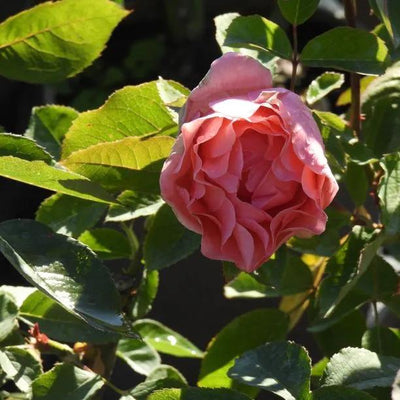
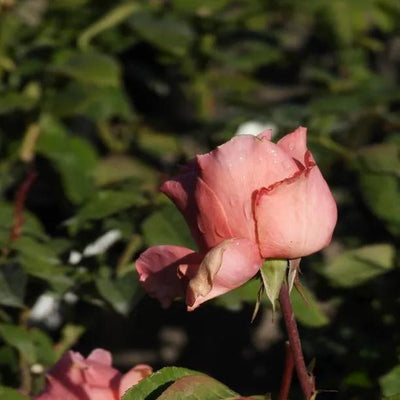
(Rosa canina) – the classic British hedgerow rose. Delicate pink-white flowers, wonderful hips and an utterly natural charm.
(Prunus cerasifera) – one of the first to flower in late winter, with a froth of white blossom before the leaves appear.
(Amelanchier lamarckii) – clouds of white spring blossom, edible berries and brilliant autumn colour. A real all-rounder.
An eruption of yellow in early spring that's impossible to ignore. Cheerful, easy and undemanding.
If you want to do something genuinely good for the garden ecosystem – and let's face it, who doesn't – a mixed native hedge is hard to beat. Birds nest in it, insects feed on it, small mammals shelter in it, and come autumn it's laden with berries and hips that will keep the thrushes going through the cold months. It won't look like a clipped yew wall, but it will hum with life in a way that no formal hedge ever quite manages.

(Crataegus monogyna) – the cornerstone of the British wildlife hedge. Dense, thorny, covered in blossom in May and berries in autumn. Beloved by birds.
(Prunus spinosa) – impenetrably thorny, early-flowering and producer of sloes. Nesting birds adore it.
(Acer campestre) – brilliant autumn colour and good for insects. A beautiful native that doesn't always get the credit it deserves.
(Corylus avellana) – catkins in late winter, hazelnuts in autumn, and a natural loose structure that's perfect for wildlife.
(Sambucus nigra) – frothy flowers beloved by pollinators, followed by berries that birds and jam-makers compete over equally.
(Euonymus europaeus) – extraordinary hot-pink and orange berries in autumn. Spectacular and underused.
Our mixed hedge packs take the guesswork out of species selection – we've done the balancing for you.
Not all hedges need to be head-height. Low hedges – anything from knee-height down to a gentle ribbon of clipped box – define paths, edges and borders with tremendous neatness. They add structure to cottage gardens, formality to vegetable plots, and a sense of considered design that's hard to achieve any other way.

(Buxus sempervirens) – the classic choice for low edging, crisp and controllable at any height.
(Lavandula) - Fragrant, informal low hedging that doubles as a pollinator magnet. Wonderful along path edges.
(Berberis darwinii) – compact varieties make excellent low, thorny edging with the bonus of spring flowers and autumn berries.
Our team has been helping gardeners choose the right plants since 1949. Browse our full hedging range or get in touch – we're always happy to help.


 Sign In
 Saved items