

Sold as:

from £10.95

Sold as:
from £19.99
 5 Star Service Rating




 Secure, One-Tap Checkout
 5 Star Feefo Rating
 Hand Picked, Delivered to Your Door!
 1 Year Bareroot Guarantee
 Platinum Trusted Service Award 2026
 Mail Order Plant Experts - Est. 1949
 1 Year Bulb Guarantee
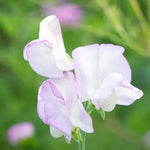
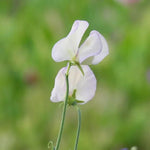
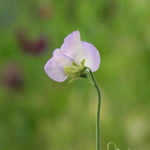

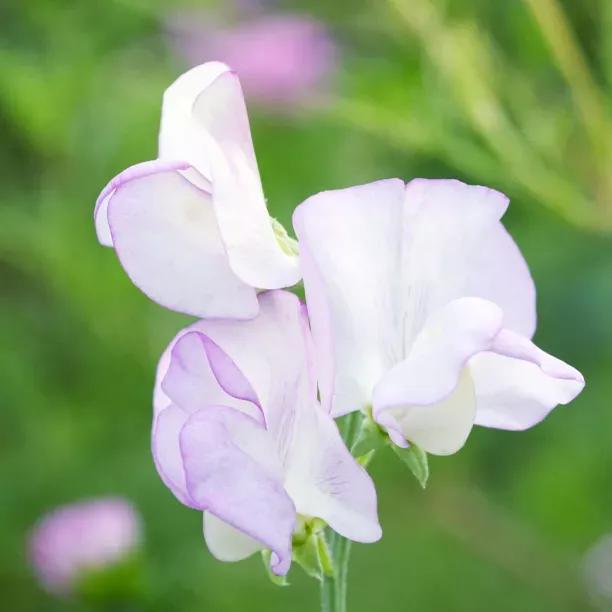
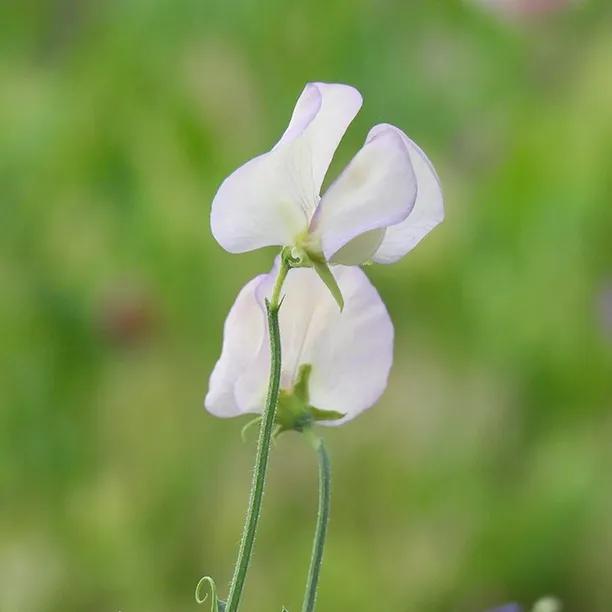

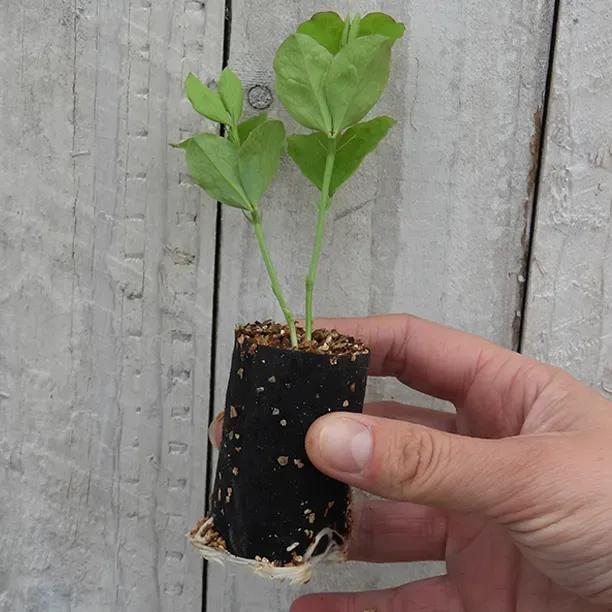





King's High Scent exists because one breeder decided that scent mattered more than size. Robert Sobczynski bred it with fragrance as the primary objective, and the result is the most powerfully scented sweet pea in our collection. The perfume is warm, deep, honeyed, and astonishingly generous. A single plant on a warm evening will scent the air several metres downwind. A bunch indoors will fill every room it touches.
The flowers are mauve-lavender, soft and slightly variable from bloom to bloom. Some are a cooler lavender; others carry more warmth. The colour is pretty rather than dramatic, which means King's High Scent works in almost any planting scheme without clashing. As a Modern Grandiflora, the blooms are open-faced and lightly waved, larger than the heritage types but less ruffled than a full Spencer. It holds the RHS AGM, awarded in 2008, which it earned through reliability and garden performance as much as through sheer fragrance.
Robert Sobczynski bred King's High Scent with a clear purpose. Most modern sweet pea breeding selects for flower size, stem length, and colour intensity. Sobczynski selected for scent. The result is a variety that grows well, flowers generously, and puts its energy into producing the essential oils that give sweet peas their perfume. That single-mindedness is what sets it apart from other strongly scented varieties that achieved their fragrance more by accident than design.
If fragrance matters to you more than colour, build your sweet pea planting around King's High Scent and two or three other strong performers. Matucana (maroon-and-purple bicolour) brings contrasting colour with fragrance that rivals King's High Scent for intensity. Heaven Scent (pink-and-cream bicolour) adds warmth and a slightly different fragrance note. The three together on a single wigwam is one of the most powerful scent combinations you will encounter in a British garden.
For a mixed approach, pair King's High Scent with visually strong but less scented varieties. Henry Thomas (deep cerise-crimson Spencer) provides the colour drama while King's High Scent provides the nose. White Supreme (clean white Spencer) lightens the planting and lets the mauve-lavender read properly against a pale background.
In a wilder setting, King's High Scent threading through a native hedge or hazel fence is a beautiful thing. The sweet pea clings to whatever it finds, the flowers appear at head height, and the fragrance catches you as you walk past. No support structure needed beyond the hedge itself. For full growing and support advice, see our sweet pea growing guide.
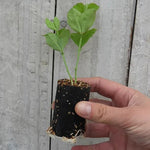
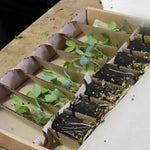
We have been growing sweet peas in Somerset since the early 2000s. The seed, which we collect ourselves, is hand-sown at two seeds per plug. After germination, the weaker seedling is removed. Every plant is then pinched out to encourage bushy growth and hardened off before dispatch. What you are buying are sturdy, garden-ready jumbo plug plants that have had the best possible start.
We deliver by next-day courier between March and May, in purpose-designed recycled cardboard packaging. Your sweet peas arrive ready to go straight into the ground or a container. If anything is not right, we have real people on the phone in Somerset who will sort it out. We hold a Feefo Platinum Service Award and are a Which? Best Buy plant supplier. Those endorsements came from our customers, not from us.
It is one of the most heavily scented sweet peas in commercial production and the strongest in our collection. The fragrance is warm, deep, and carries further than any other variety we grow. On a still evening, one plant will scent the air several metres around it. Indoors, a handful of stems will fill a large room. Matucana and Heaven Scent come close, but King's High Scent has the edge.
A Modern Grandiflora, which is a cross between the old Grandiflora types (small flowers, huge scent) and modern Spencers (big flowers, less scent). The result is a plant with flowers larger than heritage varieties, stems long enough for cutting, and fragrance that the Spencers simply cannot compete with. It holds the RHS AGM, awarded in 2008.
Sweet peas are not edible and should not be eaten. The seeds contain lathyrogen, which is toxic if consumed in quantity. The pods look confusingly similar to edible peas (Pisum sativum), so keep them away from young children and make sure nobody in the household mistakes a sweet pea pod for a sugar snap or mangetout. The flowers are not edible either.
Good stems, lovely scent, and a colour that complements almost anything you put it with. Cut in the early morning when the blooms are fresh and the essential oils are at their strongest. Stand the stems in water immediately and you should get about a week of vase life. The scent lasts as long as the flowers do.
Like all sweet peas, King's High Scent is an annual. One glorious, intensely fragrant season from June to September, then it is done. But that is one of the pleasures of sweet peas: you start fresh each spring, and each year you can try new combinations alongside old favourites. Our sweet pea collection has King's High Scent ready-grown every year.


 Sign In
 Saved items