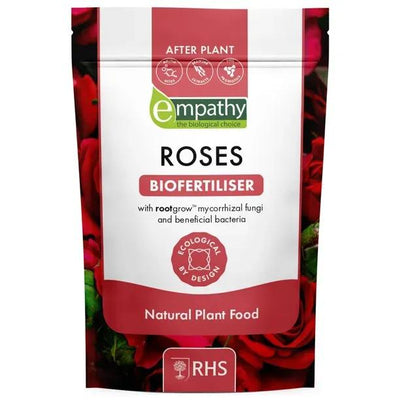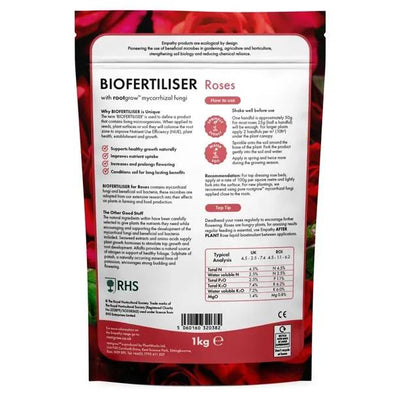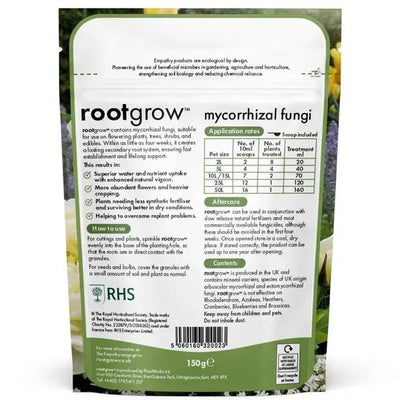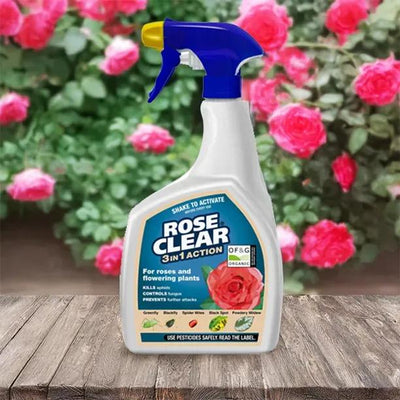


Sold as:

from £6.99

Sold as:
from £19.99
 5 Star Service Rating




 Secure, One-Tap Checkout
 5 Star Feefo Rating
 Hand Picked, Delivered to Your Door!
 1 Year Bareroot Guarantee
 Platinum Trusted Service Award 2026
 Mail Order Plant Experts - Est. 1949


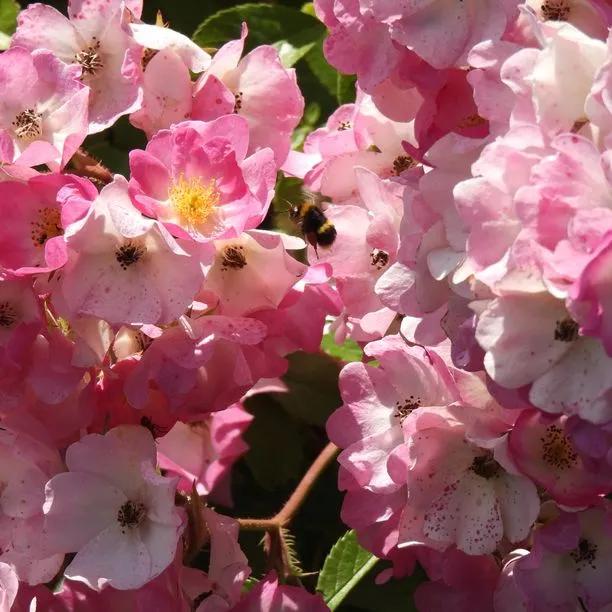
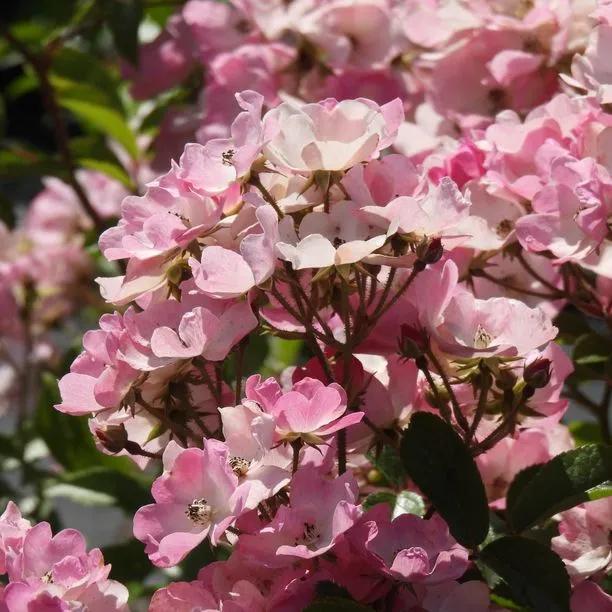
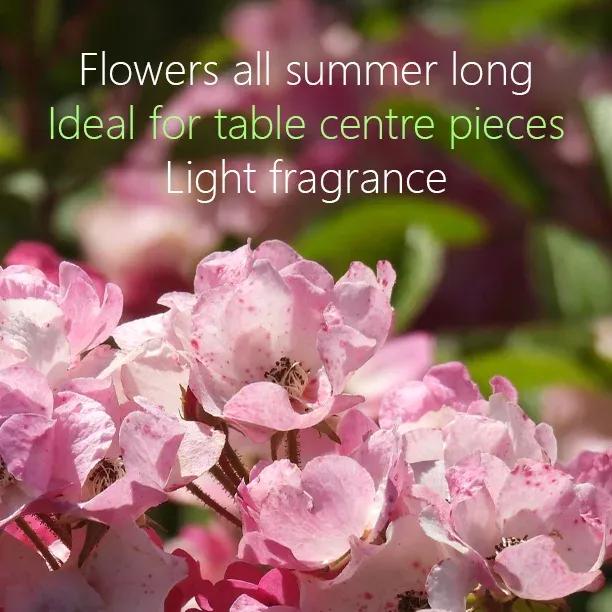
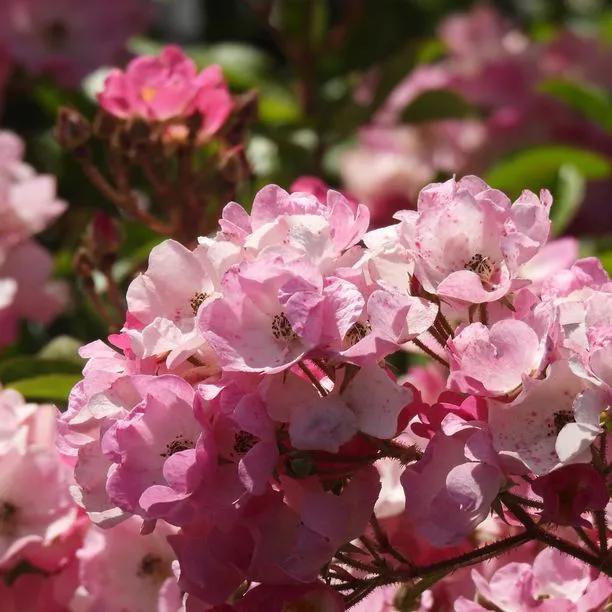
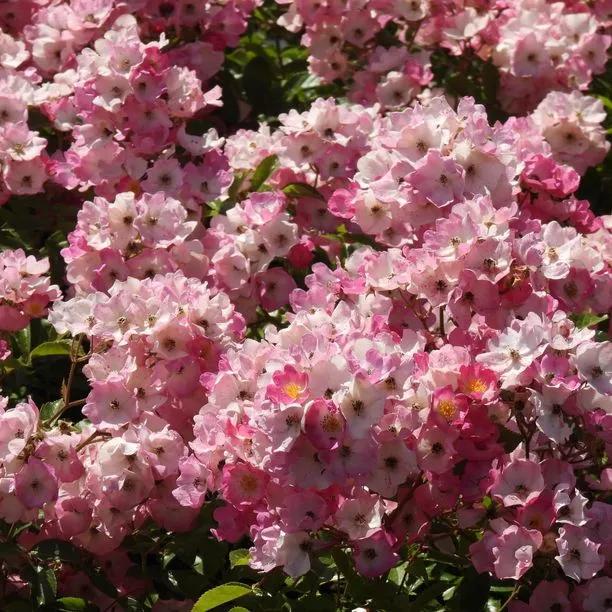
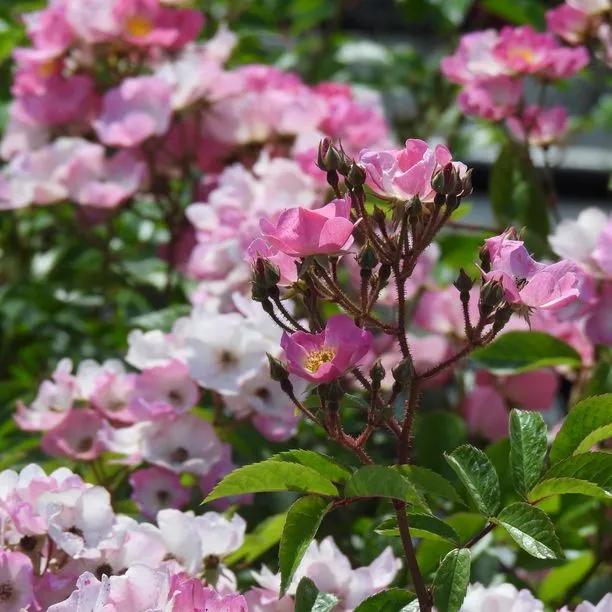





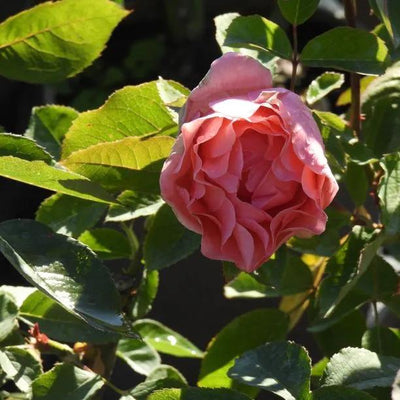
Rosa Ballerina is a Hybrid Musk shrub rose that produces enormous sprays of small, single, pale pink flowers with white centres. The clusters are so dense that at peak flowering the foliage almost disappears beneath them. It blooms continuously from June to October, with a light musky fragrance that attracts bees and other pollinators throughout the summer.
Ballerina grows into a rounded, arching bush typically reaching 1.2m tall and wide, though in good conditions it can reach 1.5m. It has good disease resistance and — unusually for a rose — genuine shade tolerance, performing well on a north-facing wall or in a spot that gets only half a day's sun. This makes it one of the most versatile roses for UK gardens. It holds the RHS Award of Garden Merit.
If you stop dead-heading in autumn, Ballerina produces masses of tiny orange-red hips that last well into winter, providing food for birds and a second season of interest long after the flowers are gone. For other compact shrub roses, see Macmillan Nurse (white), Absolutely Fabulous (yellow, more compact), or browse our full range of classic shrub roses.
Ballerina's rounded habit and non-stop flowering make it one of the most adaptable roses you can grow. In a border, plant it in groups of three or more in the middle ground — it's tall enough to hold its own among perennials but won't dominate. Its arching shape means it looks natural in a cottage garden or mixed planting, and the pink-and-white flowers combine easily with almost anything.
It makes an excellent informal flowering hedge at about 1.2m, either on its own or mixed with other shrub roses. It also works well as a specimen in a large pot on a terrace, though it will need regular watering and feeding.
For companion planting, Ballerina's soft pink flowers look particularly good with Lavender, Nepeta (catmint), and silvery foliage plants like Stachys byzantina (lamb's ears). In shadier spots, underplant with hardy geraniums — Rozanne or Johnson's Blue both flower for months and complement the pink tones.
The flower clusters are good for cutting. They're popular for relaxed, country-style arrangements and last well in the vase.
Ballerina is one of the easiest roses to grow. It tolerates poorer soils, copes with partial shade, and has strong natural disease resistance. It needs very little pruning — in late winter, remove dead or crossing stems and lightly shape the bush, but avoid hard pruning, which works against its naturally graceful arching habit. Deadhead through summer to keep the flowers coming, or stop deadheading from late August onwards to encourage the autumn hips.
A central growing guide for shrub roses is in preparation. In the meantime, general rose planting advice applies: choose a spot with reasonable drainage, improve the soil with compost or well-rotted manure, mulch and feed in spring, and water well in the first year.
Ballerina was bred by the Reverend Joseph Pemberton, the pioneering rosarian responsible for creating the Hybrid Musk class at his nursery in Romford, Essex. Pemberton died in 1926, and Ballerina was introduced posthumously in 1937 by his head gardener Ann Bentall, who continued his work. It is thought to have been named by Pemberton after a great-niece he spotted dancing by herself in his garden.
Despite being nearly a century old, Ballerina remains one of the most widely grown and highly rated shrub roses in the world. Its combination of non-stop flowering, shade tolerance, disease resistance and autumn hips is still hard to match in any modern variety.
We've been growing and supplying roses since 1949, and by mail order since 2003. Our bareroot roses are grown in heavy clayey soil with masses of organic matter; perfect conditions for strong root development. They are lifted to order in the autumn and winter. For spring and summer sales, they are potted up using peat-free compost. All our roses are A-grade, and every plant is hand-picked, packed, and sent by next-day courier. Bareroot roses are covered by our no-quibble guarantee, and if anything isn't right, our team at Castle Cary is here to help.
Yes — Ballerina is one of the most shade-tolerant roses available. It performs well in partial shade, including north-facing positions, though it will flower most heavily in full sun.
It typically forms a rounded bush about 1.2m tall and wide, reaching up to 1.5m in good conditions. It can also be trained as a short climber against a wall or fence, where it may reach 2m.
Yes. If you stop deadheading from late summer, Ballerina produces masses of tiny orange-red hips that last well into winter and are popular with birds.
Excellent. Its dense, arching habit makes a beautiful informal flowering hedge at about 1.2m. Plant roughly 90cm apart for a continuous screen.
Very. It has strong natural disease resistance — one of the benefits of its Hybrid Musk heritage — and holds the RHS Award of Garden Merit.
Yes. The single, open flowers give pollinators easy access to nectar and pollen, making Ballerina one of the best roses for wildlife gardens.


 Sign In
 Saved items