


Sold as:

from £6.99

Sold as:
from £19.99
 5 Star Service Rating




 Secure, One-Tap Checkout
 5 Star Feefo Rating
 Hand Picked, Delivered to Your Door!
 1 Year Bareroot Guarantee
 Platinum Trusted Service Award 2026
 Mail Order Plant Experts - Est. 1949
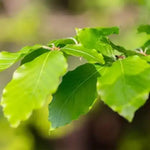
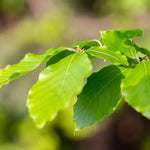
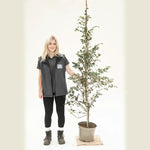





Green Beech is superb as formal garden hedging. It adds value to your property on par with Yew, which is by default the most valuable in most places.
Unlike an evergreen hedge, Beech gives you seasons of shifting colour.
In spring, its branches are clothed with bright green leaves with a wisp of furriness that mature to a rich green in Summer, and remain for most of Winter russet-coloured in the autumn.
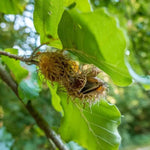
The tiny flowers mature into beech nuts in the autumn. The bark is smooth and grey, the colour of elephant hide.
As a well-clipped hedge, you get the changing foliage colours from spring to autumn, and then it'll hold onto its dry leaves through the winter (known as marcescence), giving you the privacy of an evergreen hedge but with all that variety in colour and tone across the year.
As a tree, it can reach 35 metres, and tends not to hold its leaves.
Browse copper beech hedging plants, all hedging plants, or buy beech trees in large standard sizes.
The planting density for your Beech hedge depends on the purpose, a normal garden boundary hedge is 3 plants per metre, spaced at 33cm, in a single row.
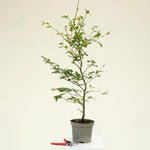
By default, we recommend the smaller sizes, up to 80cm tall.
60/80cm tall the most popular size, considered an ideal compromise between price, size, root disturbance, and waiting time until you get a mature hedge.
Smaller plants:
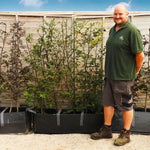
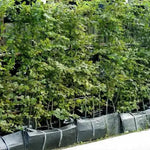
A trough is a large plant container made from strong, flexible woven plastic.
Our troughs are 100cm long, and 30cm square at the ends.
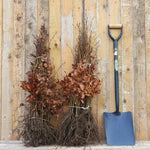
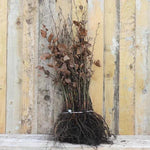
One trough of Beech plants is a ready-made metre long section of hedge that is best planted directly into well-prepared soil.
But, the plants could stay in their trough and insert into a large container as a liner.
They'll need irrigation; in the long term, also top-ups of soil as the potting medium settles.
Along with Yew, Beech is a go-to hedge for increasing the value of your property, and is the most popular deciduous garden hedge in the UK today.
A space enclosed by beech has a weightlessness to it that cannot be achieved by the more sombre dark colours of evergreen hedging. A beech hedge will provide 'bones' for your garden year round so that you can divide your garden into rooms, or just create an elegant boundary with your neighbour.
A clipped beech hedge is a tremendous backdrop to a herbaceous border, providing a contrast to the colour of the flowers and a flat background to set off the architectural shapes of plants like Acanthus or any dark, evergreen topiary.
One planting idea is to grow a pretty Ivy such as Sulphur Heart / Paddy's Pride under the hedge, which smothers the weeds and frames its base nicely. On a slightly grander scale, statues looks wonderful against a beech hedge: stand a stone or lead urn, planter or figure against it and immediately your garden will look more sophisticated and complete.
Once a hedge is well-established you can experiment with cutting niches into it to contain statues or sculptures. To add drama, intersperse some copper beech amongst the green (or go the whole hog and just plant a copper beech hedge).
Beech will thrive in any well drained soil, in a sunny position.
It's wind resistant, ideal on the tops of banks (where it loves the drainage).
Beech doesn't like:
If it takes more than a day for surface water to drain away after heavy rains, then your soil is probably too heavy for Beech, in which case Hornbeam is the closest alternative.
It's easily clipped to shape and only requires yearly pruning making it low maintenance once established.
It rarely succumbs to disease: when it does, it's usually tar crust, which typically affects old trees, not hedges.


 Sign In
 Saved items