
Why bare-root season is the time to start growing your own fruit
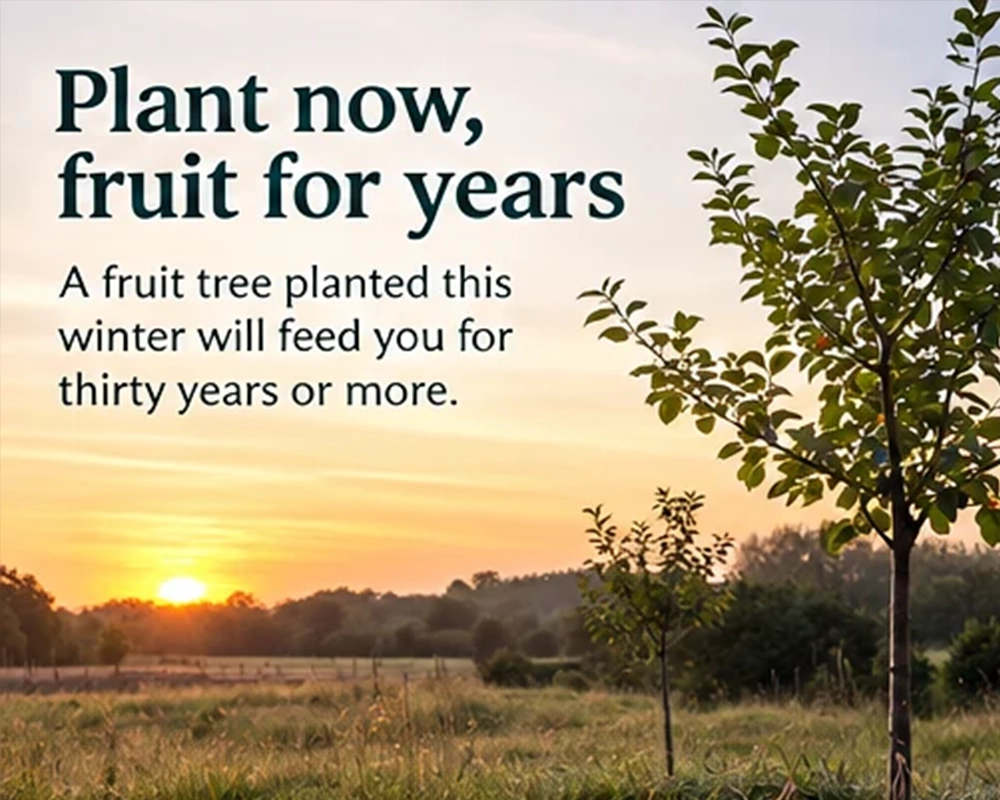
A stack of tins will see you through three days of trouble; a fruit tree planted this winter will feed you for thirty years or more.
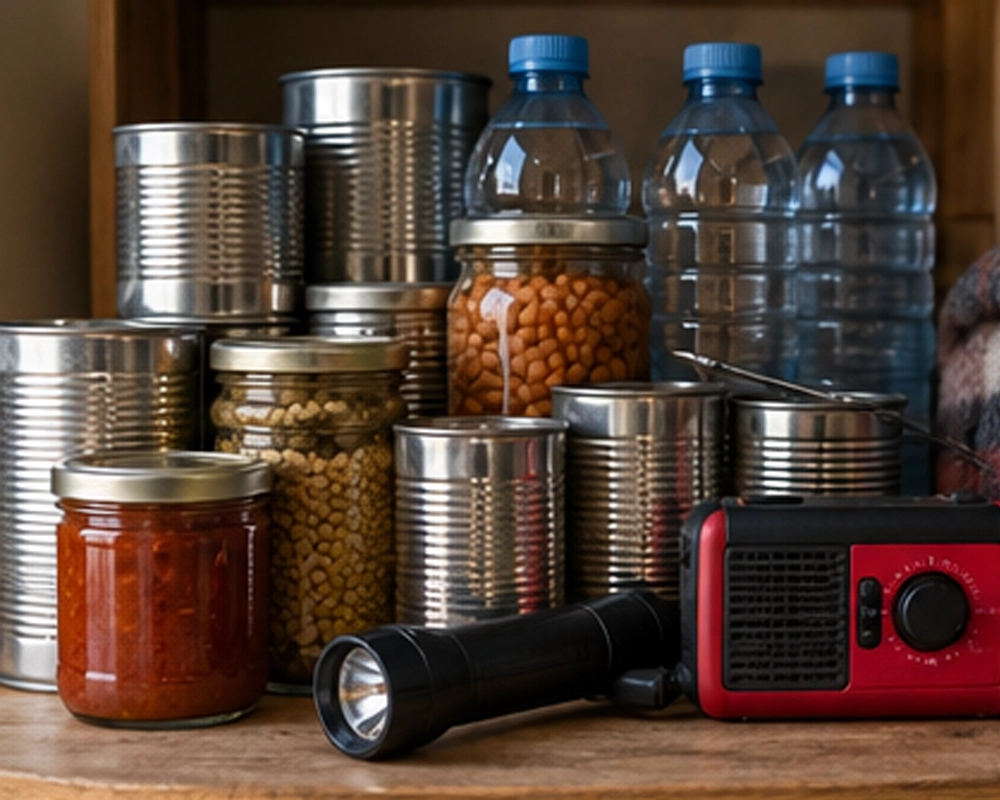
On 22 October the Cabinet Office launched Be Ready, a three-year campaign asking every household to keep enough water and non-perishable food to manage three days without power, water or phone signal. You may already have done your bit. Shoppers certainly have: tinned food, bottled water and wind-up radios have been vanishing from supermarket shelves, and somewhere in Britain a cupboard is now stacked to the ceiling with baked beans. We’re in no position to judge: beans on toast is the unofficial lunch of the Ashridge office.
The advice is sensible, and nothing here argues with it. Storms, floods and power cuts happen, and a well-stocked cupboard is the right answer to them. But the campaign has got a lot of people thinking about where their food comes from, and that is a question a garden can answer far better than a supermarket.
A fruit tree won’t help you through next week’s storm. What it will do, given a winter planting and a little patience, is put food on your table every autumn for decades, food you have grown, chosen and know the provenance of. If you have been meaning to plant one and never quite got round to it, this is the winter to start.
Why now: bare-root season has just begun
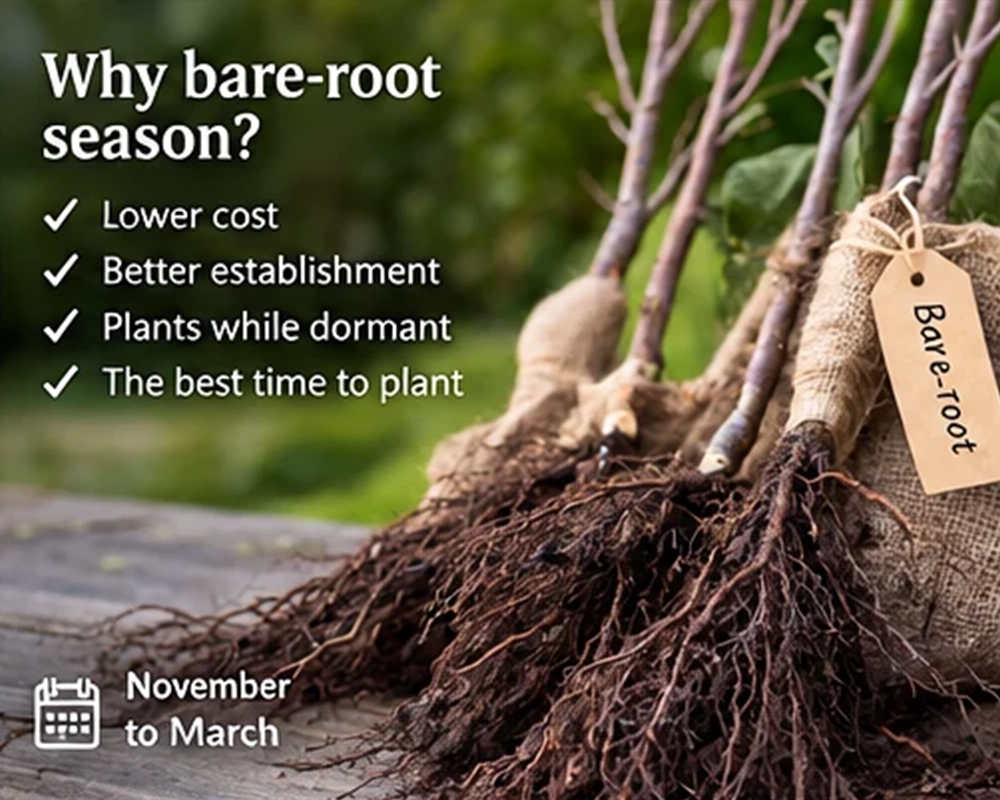
November to March is bare-root season, and it is the best time of year to plant fruit. Bare-root plants are dug from the field while dormant and sent to you with no pot and no compost, just roots wrapped to keep them moist.
They cost less than pot-grown plants, often a good deal less, because you aren’t paying for a pot, compost and a year in a container. They also establish better. Planted into cold, damp winter soil, the roots settle in and start growing before the leaves make any demands, so by spring the tree is ready to get on with it rather than sulking through its first summer.
The window closes when the buds break, usually in late March. Miss it and you are left with pot-grown plants at a higher price, or waiting until next November. Plant this winter and soft fruit will crop next summer; apple and pear trees on dwarfing rootstocks will start giving you fruit within two or three years.
What to plant for a fuller larder
If the point is a fuller store cupboard, choose fruit that keeps, freezes or preserves well. A dessert apple eaten off the tree in September is a pleasure, but a crop that lasts into the new year does more for the larder.
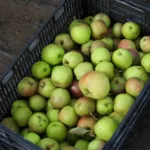
- Keeping apples. ‘Bramley’s Seedling’ is the classic cooker and, stored somewhere cool, dark and frost-free, will keep well into spring. ‘Ashmead’s Kernel‘ is a russet that improves in store, at its best from December onwards. Most apples need a pollination partner nearby, so check before you buy a single tree.
- Pears. ‘Conference‘ is reliable, partly self-fertile and stores for a couple of months if picked while still firm.
- Damsons and plums. ‘Merryweather‘ damson is self-fertile and crops heavily, so you will have plenty for jam, chutney and gin. ‘Victoria’ plum is self-fertile too, and its glut freezes well.
- Quince. Self-fertile, ornamental in blossom, and the fruit keeps for weeks. Quince jelly and membrillo will see you through winter.
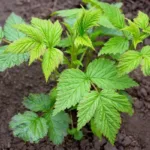
- Soft fruit. The quickest return of all. Autumn-fruiting raspberries crop in their first year, and blackcurrants freeze without fuss, carrying more vitamin C than almost anything else you can grow.
- Cobnuts. Kentish cobs store in their shells for months and need no preserving at all.
- Rhubarb. Plant the crowns now, leave them be for a year, then pull stems every spring for the next decade or two.
Short of space, or new to this?
You don’t need an orchard, and you don’t need a giant tree. The form you buy decides the size you end up with, so choose it with your garden in mind.
A bush tree has a short trunk, about 75cm (2ft 6in), and on a dwarfing rootstock stays at roughly 2.5–3m (8–10ft). You can prune and pick it without a ladder, which makes it the sensible choice for most gardens.
If you want a proper full-sized fruit tree, the kind you can sit under or mow beneath, pick a half standard. It has a clear trunk of about 1.2–1.5m (4–5ft) and, on a more vigorous rootstock, grows to around 4–5m (13–16ft).
On a budget, buy a maiden: a one-year-old tree, often a single stem, and the cheapest way into fruit growing. It needs some formative pruning over its first few winters, but you decide what it becomes, whether that’s a compact bush or a full-sized tree.
If you have never grown fruit before, start with what forgives mistakes. A blackcurrant bush, a row of autumn raspberries and a self-fertile plum will give you fruit sooner and ask less of you than a collection of apples. Add the trees next winter once you have the bug, which you will.
There is also a long and respectable tradition behind this. During the Second World War, the Dig for Victory campaign turned lawns, parks and railway verges over to food, and the number of allotments in Britain nearly doubled. Ashridge itself was founded in 1949, with rationing still in force, so growing your own has been part of the story here from the start.
Start this winter
Keep the tins in the cupboard; the government is right about those. But if you have been hesitating over a fruit tree, a few canes or a currant bush, the case for planting has rarely been stronger, and the season is right on your doorstep. Everything you plant between now and March is a small investment in many years of your own harvests.
Browse our bare-root fruit trees, soft fruit and nut trees, and read our guide to planting bare-root fruit trees before you start. If you are unsure which varieties will pollinate each other, or what will suit your soil, our team will happily help you choose.



Leave a Reply