Sold as:

from £6.99

Sold as:
from £19.99
 5 Star Service Rating




 Secure, One-Tap Checkout
 5 Star Feefo Rating
 Hand Picked, Delivered to Your Door!
 1 Year Bareroot Guarantee
 Platinum Trusted Service Award 2026
 Mail Order Plant Experts - Est. 1949








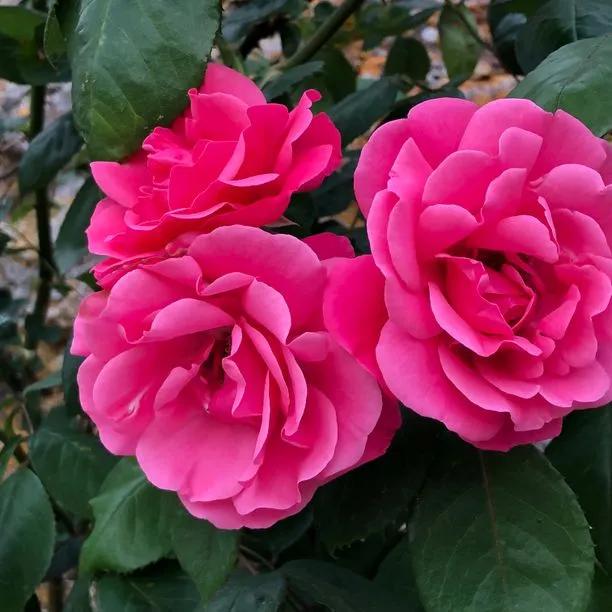
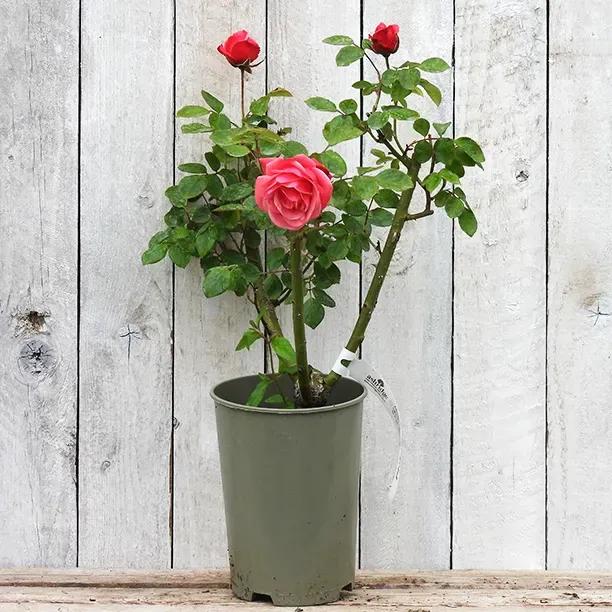
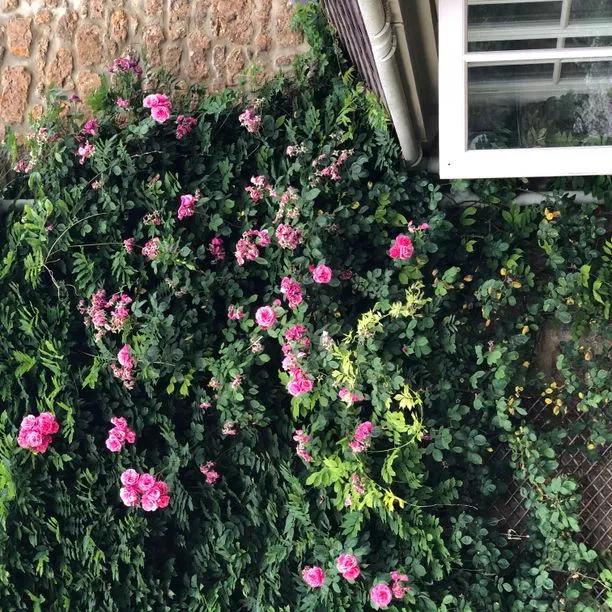
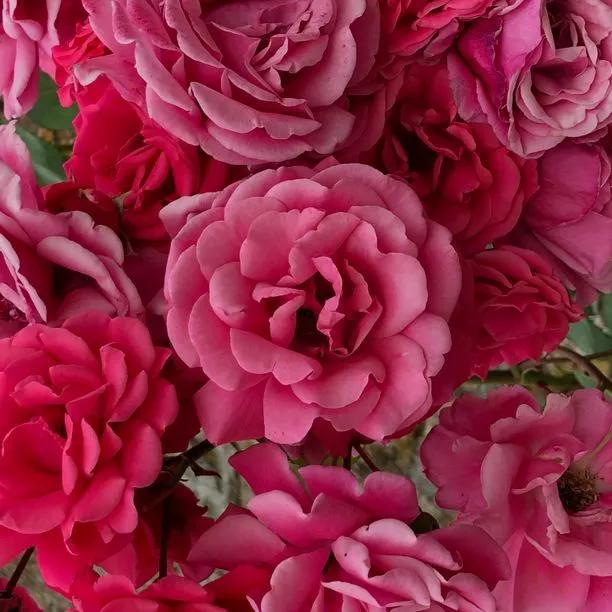
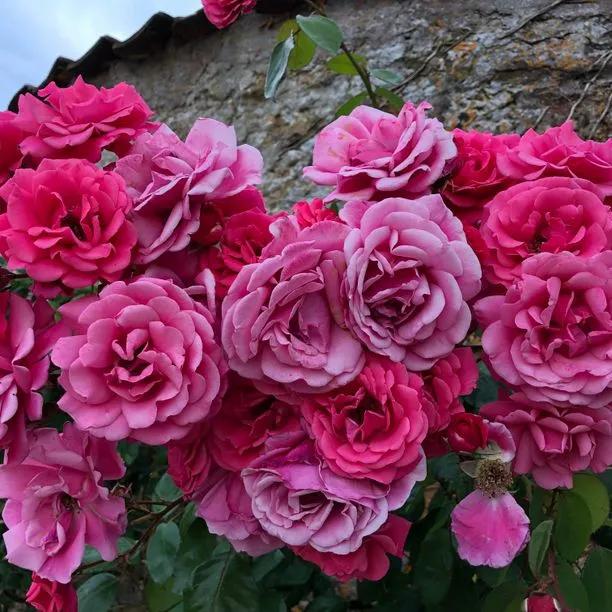
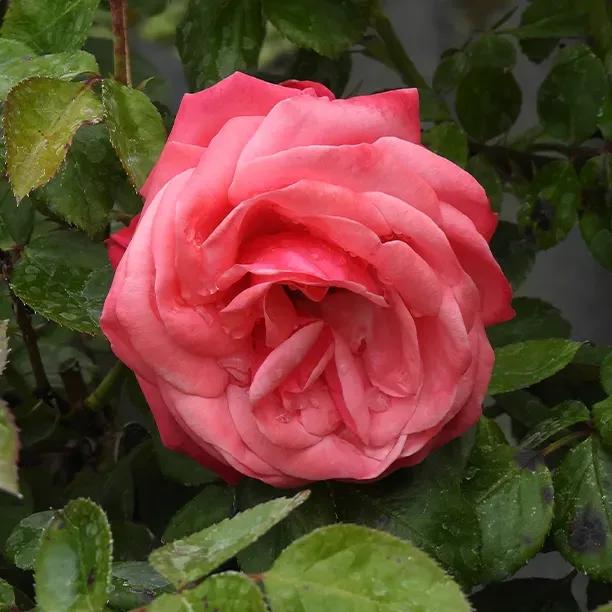
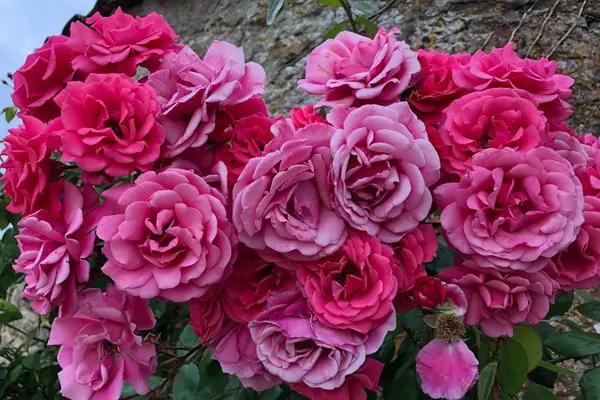





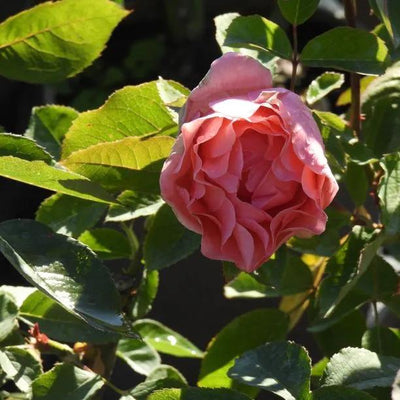
Pink Perpétué is a carmine-pink climbing rose with a striking bicoloured effect, flowering reliably from June to October. A vigorous, strong grower bred by Gregory UK in 1965, it remains one of the most dependable repeat-flowering climbers for walls and fences. We've been selling this variety for decades because it simply works.
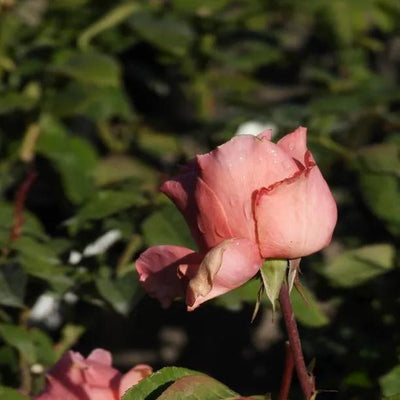
Pink Perpétué has earned its place in British gardens through sheer reliability and generosity of bloom. The flowers are a study in subtle colour: the outer petals are a warm carmine-pink, while the reverse and centre are considerably paler, creating a luminous depth as the flowers open. They arrive in neat, clustered sprays of full double blooms from early summer onwards, and the repeat-flowering habit means you'll have colour right through to the first frost. This is not a rose that flowers once and disappears.
Growth is strong and vigorous, reaching 350cm (12ft) with good sideways development, so it's excellent for covering a long fence or a substantial wall. The foliage is healthy and reasonably dense, clothing the framework well. Plant it on a south or west-facing aspect for maximum flowering, though it will perform in part shade if necessary. Early morning sun is ideal; scorching afternoon heat in a small, enclosed south-facing corner might stress it in very hot summers, but this is unusual.
The slight, sweet fragrance is pleasant on the air rather than powerful, which suits many gardeners who find heavy scent cloying. What matters more is that Pink Perpétué flowers continuously through the season without gaps or tantrums. It's a workhorse rose, and that's precisely why it's still grown so widely.
To get the best from Pink Perpétué, train the main canes horizontally or at an angle rather than straight up. Horizontal training encourages flowering shoots all along the framework, not just at the top. Tie in stems loosely using soft string or rose ties; avoid tight binding that might girdle the cane. In the first year, focus on establishing a good structure of main canes spaced evenly across your wall or fence. Once established, deadhead spent flowers regularly to keep blooming coming, and prune out any dead or diseased wood in late winter.
This is a climber that responds well to a sunny aspect and well-drained soil enriched with organic matter. Water regularly in the first growing season to establish a deep root system. A light mulch of compost around the base in spring helps retain moisture and suppresses weeds.
Pink Perpétué was bred by Gregory UK in 1965, a period when British nurseries were developing some of the finest garden roses. It has proved its worth over nearly sixty years of cultivation, which is a better endorsement than any award. Gardeners don't keep growing roses that disappoint; they choose them again because they deliver year after year. That's Pink Perpétué's real credential.
Pink Perpétué looks superb trained over clematis planted at the base, which will thread through the rose framework and flower at a different time. Underplant with lavender for fragrance and soft purple tones, or with herbaceous perennials like catmint and hardy geraniums. Alliums planted in groups at the base add structural interest and attract pollinators. For a formal look, frame the rose with clipped yew or box.
We grow our roses with specialist suppliers, budded onto vigorous rootstock chosen for longevity and performance. Our Which? Gardening Best Plant Supplier award and Feefo Platinum rating reflect our commitment to quality. Browse our full climbing rose collection here.
Yes, but subtly. The fragrance is slight and sweet, perfect if you prefer a rose without overpowering scent. For strongly fragrant climbers, explore our scented rose collection.
Pink Perpétué reaches 350cm (12ft) in height with good sideways spread. It's ideal for tall walls, fences, and pergolas where you want substantial coverage over several years.
Yes. It flowers continuously from June to October if deadheaded regularly and given decent sun and soil. It's a true repeat-flowering climber, not a one-flush rose.
South or west-facing walls are ideal in the UK. It needs good light to flower freely. Part shade is acceptable, but flowering will be less abundant in deep shade.
Prune in late winter or early spring, removing dead or diseased wood and tidying up the framework. Tie in new growth horizontally. Read our full climbing rose pruning guide here.






 Sign In
 Saved items